
Blog
Guides and articles on PLC, SCADA and automation
Plain-English guides on PLC programming, SCADA, industrial automation and building an automation career in the UK, written by the EDWartens team, with sources named and dates shown so you can check each claim.

Start with the main guides

All articles
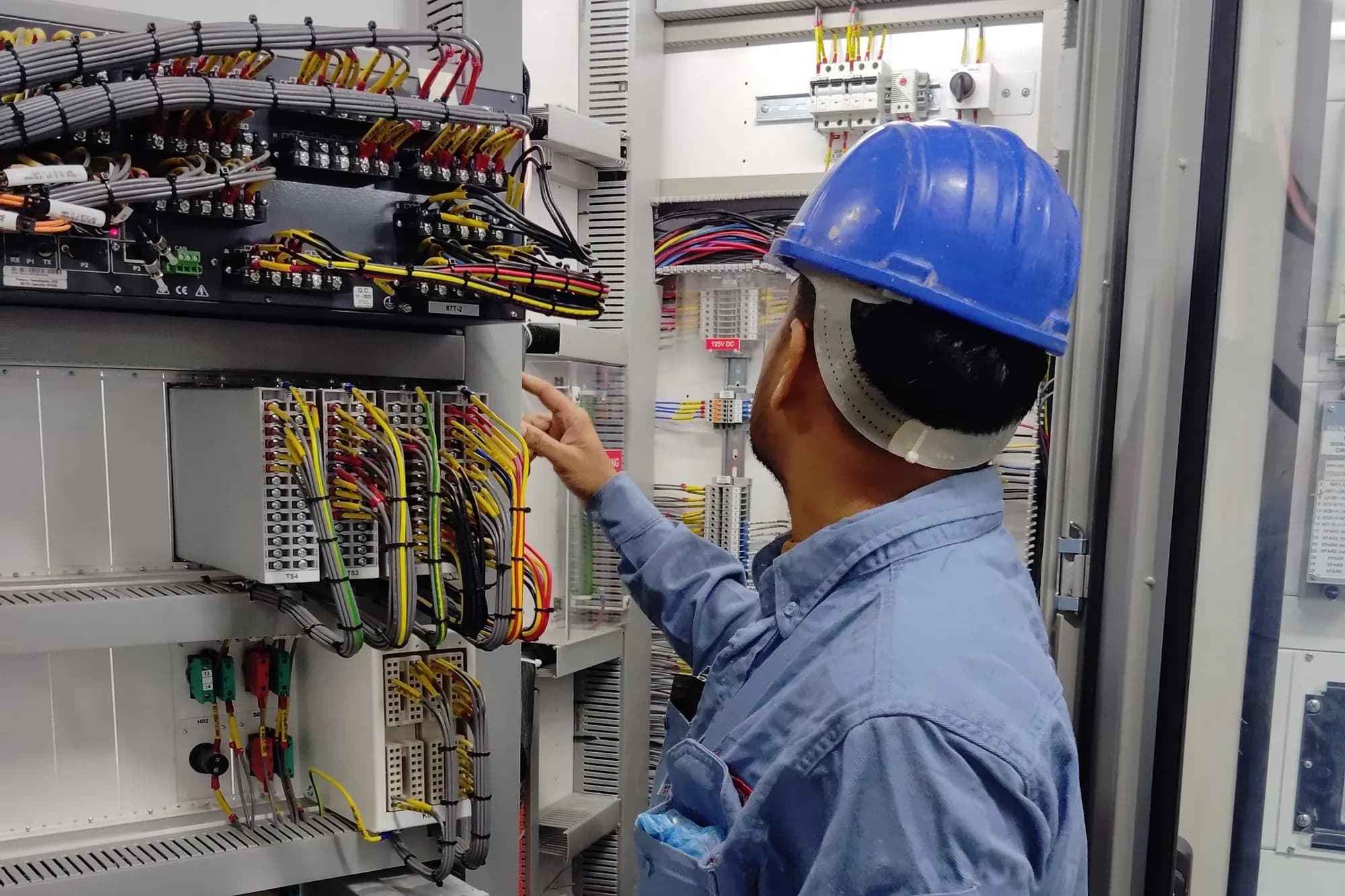
ECS Card, JIB Grading, CSCS and AM2 Explained (2026)
An ECS card is the electrical industry's skills card, run by the JIB; a JIB grade on it shows your level; CSCS cards cover other trades; AM2 is the practical assessment behind the gold card. What each costs and needs, checked 30 October 2026.
18th Edition Exam (C&G 2382-26): Cost and Prep 2026
The 18th Edition exam is now City & Guilds 2382-26: 60 questions, 120 minutes, open book with the Amendment 4 book, pass mark about 60%. UK prices run from £168 exam-only to about £550 for a three-day course (checked 30 October 2026).

Service Leaver to Controls Engineer: UK Route (2026)
Service leavers can fund a move into controls engineering through the CTP (delivered with Reed in Partnership), IRTC and Enhanced Learning Credits of up to £2,000 a year at Level 3 or above with an ELCAS-approved provider. Rules checked 30 October 2026.

Working in UK automation as an Irish citizen (2026): no visa, no sponsorship
Irish citizens can work in the UK without a visa, sponsorship or an ETA, under the Common Travel Area. This guide covers the right-to-work check, your National Insurance number, Northern Ireland, the wiring rules difference and sourced UK and Irish pay figures.

Moving to the UK as an EU automation engineer (2026): visas, pay, CV and cards
Since free movement ended, most EU engineers need a Skilled Worker visa and a licensed sponsor to work in the UK. This guide sets out the rules as of 30 October 2026: salary thresholds, going rates for engineering codes, the Temporary Shortage List, fees, CVs, ENIC and ECS cards.
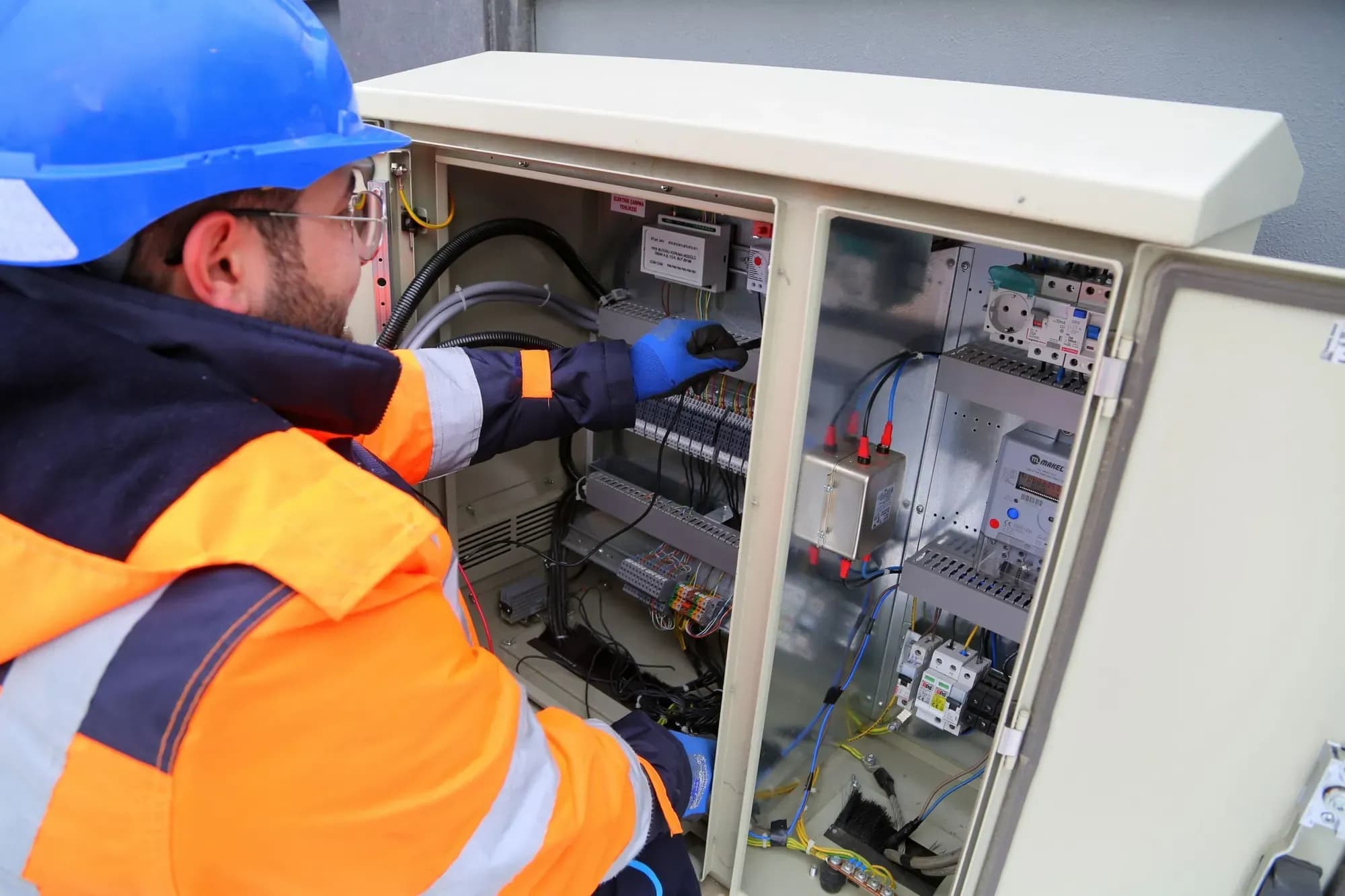
Maintenance Engineer Interview Questions and Answers (UK)
Maintenance engineer interview questions in the UK test fault-finding, safe isolation, permits, PPM and shift fit. Model answers and what each shows.

4 on 4 Off Shift Pattern: Hours, Pay and Rules for Engineers
A 4 on 4 off shift pattern is four 12-hour shifts then four days off: about 42 hours a week and 182 shifts a year. Hours, UK law and pay questions.
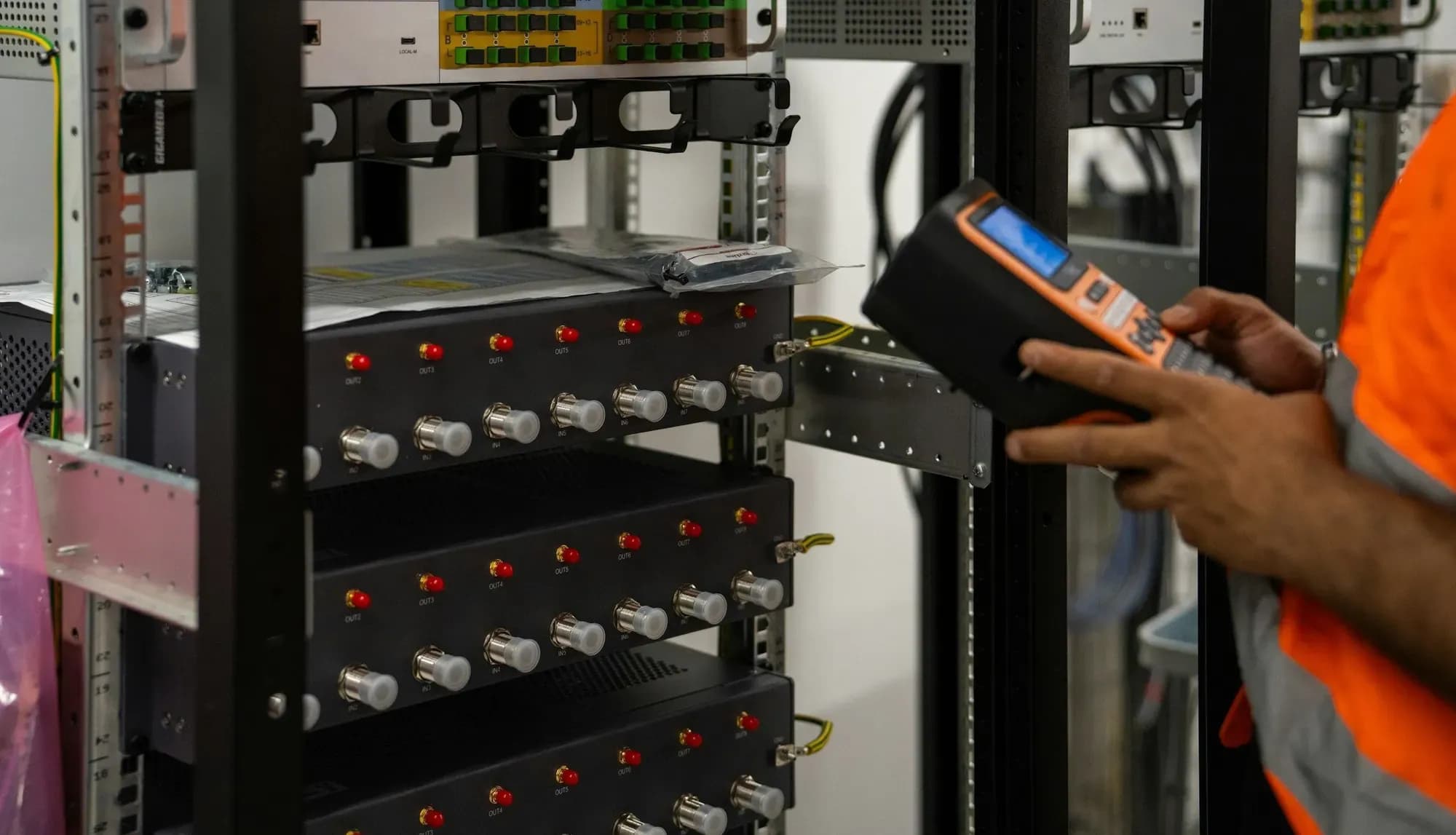
Data Centre Engineer UK: Jobs, Pay and How to Get In
Data centre engineer jobs in the UK are mostly facilities work: power, cooling and controls. ITJobsWatch's advert median is £60,000. Routes in and skills.

Instrument Technician UK: Pay, Skills and How to Start
How to become an instrument technician in the UK: a C&I apprenticeship, or an electrical or fitting trade plus calibration skills. Pay from dated sources.

How to Hire a Controls or PLC Engineer in the UK
How to hire a controls engineer in the UK: pick the title, write a specific advert, offer pay that fits advertised rates, test skills, check right to work.
Can AI Write PLC Code? What ChatGPT Gets Right and Wrong
Can AI write PLC code? Yes, often as readable Structured Text, but it needs expert review and simulation, and never safety functions.
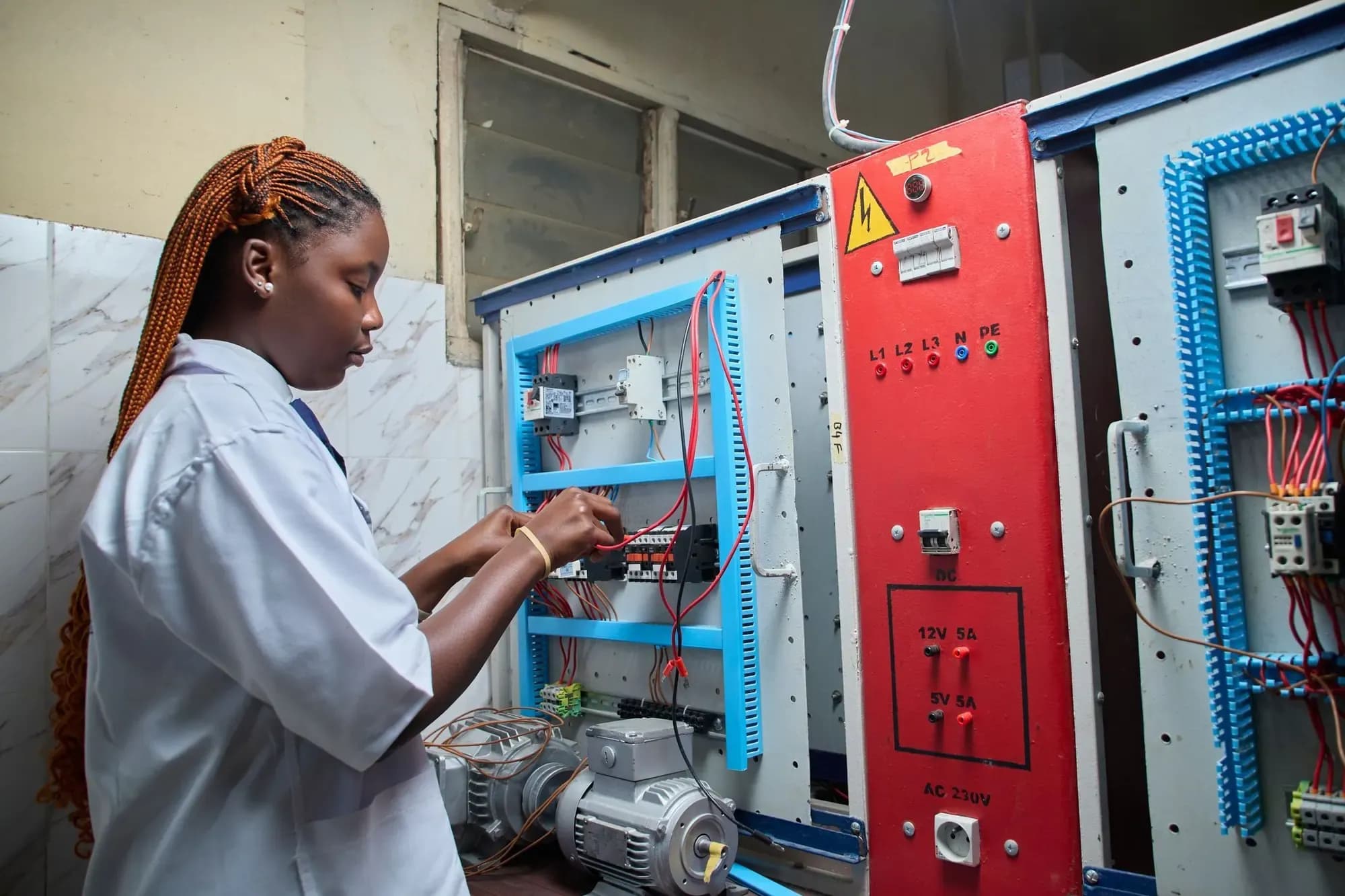
Star-Delta vs DOL Starter: How They Work and When to Use
Star delta vs DOL starter: DOL puts the motor straight on the supply. Star-delta starts in star at a third of the current and torque, then runs in delta.

4-20 mA Current Loop Explained, With a Loop Check Guide
4-20 mA explained: loop current runs from 4 mA (0 %) to 20 mA (100 %), so 0 mA means a fault, not a low value. Includes a safe loop check guide.
Modbus RTU vs TCP: How Modbus Works and Which to Use
Modbus RTU vs TCP: RTU runs on a serial line such as RS-485 and ends each frame with a CRC. TCP runs on Ethernet port 502 with a 7-byte header and no CRC.
How to Read Electrical Schematics: A Beginner's Guide
How to read electrical schematics: find the rails, follow each rung left to right, ask what stops the coil. With a worked motor start-stop circuit.
Net Zero Jobs UK: Where Automation Engineers Fit In
Net zero jobs in the UK are growing, but adverts rarely label automation roles as green. Skills England says clean energy direct jobs need to rise by 230,000 between 2023 and 2030. This guide shows where PLC and SCADA skills fit in wind, hydrogen, storage and grid work.
AI in Manufacturing: UK Use Cases and Skills to Learn
AI in manufacturing means software that learns from plant data to predict failures, spot defects, plan schedules and cut waste. Here are the UK use cases that work, the data they need, and the skills engineers should learn first.

Machine Learning for Quality Control in Manufacturing
Machine learning for quality control uses trained models to classify defects, flag anomalies and predict out-of-spec parts from images and process data. This guide covers the three approaches, how to measure them honestly, and a UK worked example.
Machine Vision Inspection: Computer Vision Guide
Machine vision inspection uses cameras, lighting and software to check parts automatically. This guide explains how classic and deep-learning inspection differ, what a system contains, how it talks to the PLC, and how to learn the skills in the UK.
Industry 4.0 Explained: Technologies and UK Skills
Industry 4.0 is the idea that connected machines, data and AI are changing how factories work. This guide explains what it means, the technologies involved, how critics see it, what Industry 5.0 adds, and the practical skills UK engineers should learn.
What Is a Smart Factory? A Practical UK Guide
A smart factory uses connected machines, sensors and software to see what is happening on the shop floor and respond to it quickly. This guide explains the layers, the technologies, a realistic roadmap for UK manufacturers, and the skills engineers need.
IIoT in Industrial Automation: Examples and Skills
The Industrial Internet of Things connects machines, sensors and PLCs to software that analyses their data. This guide explains how IIoT differs from consumer IoT, the OPC UA and MQTT architecture behind it, practical examples, security, and the skills UK engineers need.
Edge Computing in Manufacturing: Use Cases and Skills
Edge computing in manufacturing runs software and AI models on hardware next to the machine instead of in a distant data centre. This guide covers when edge beats cloud, the typical architecture, hardware options, security, and the skills UK engineers need.
TensorFlow Lite in Manufacturing: Edge Models Guide
TensorFlow Lite, now called LiteRT, lets engineers shrink a trained model and run it on an edge device beside the machine. This guide covers the workflow from data to deployment, quantisation, TensorFlow versus PyTorch, and the monitoring that keeps a model honest.
AI SCADA: How Intelligent Process Control Works
AI SCADA adds machine learning and language models to supervisory control: smarter alarms, anomaly detection, forecasts and natural-language access to plant data. This guide shows where AI fits, what stays with the operator and PLC, and how SCADA engineers can prepare.
Neural Network PID Control: From PID to AI Optimisation
PID still runs most control loops, but neural networks now help where PID struggles: nonlinear plants, long delays and many interacting variables. This guide explains where neural networks fit, where they do not, and how to use them safely beside a PLC.
ChatGPT for Engineers: Technical Documentation Guide
ChatGPT and other large language models can draft, summarise and check engineering documents in minutes, if you control what you paste in and verify every line. This guide covers safe use, prompts, retrieval over your own manuals, and what to learn next.
Generative Design in Manufacturing: Concept to Part
Generative design software explores hundreds of part shapes against your loads, materials and manufacturing method, then hands you ranked options to validate. This guide explains how it differs from topology optimisation and generative AI, with the Airbus bionic partition as a worked example.
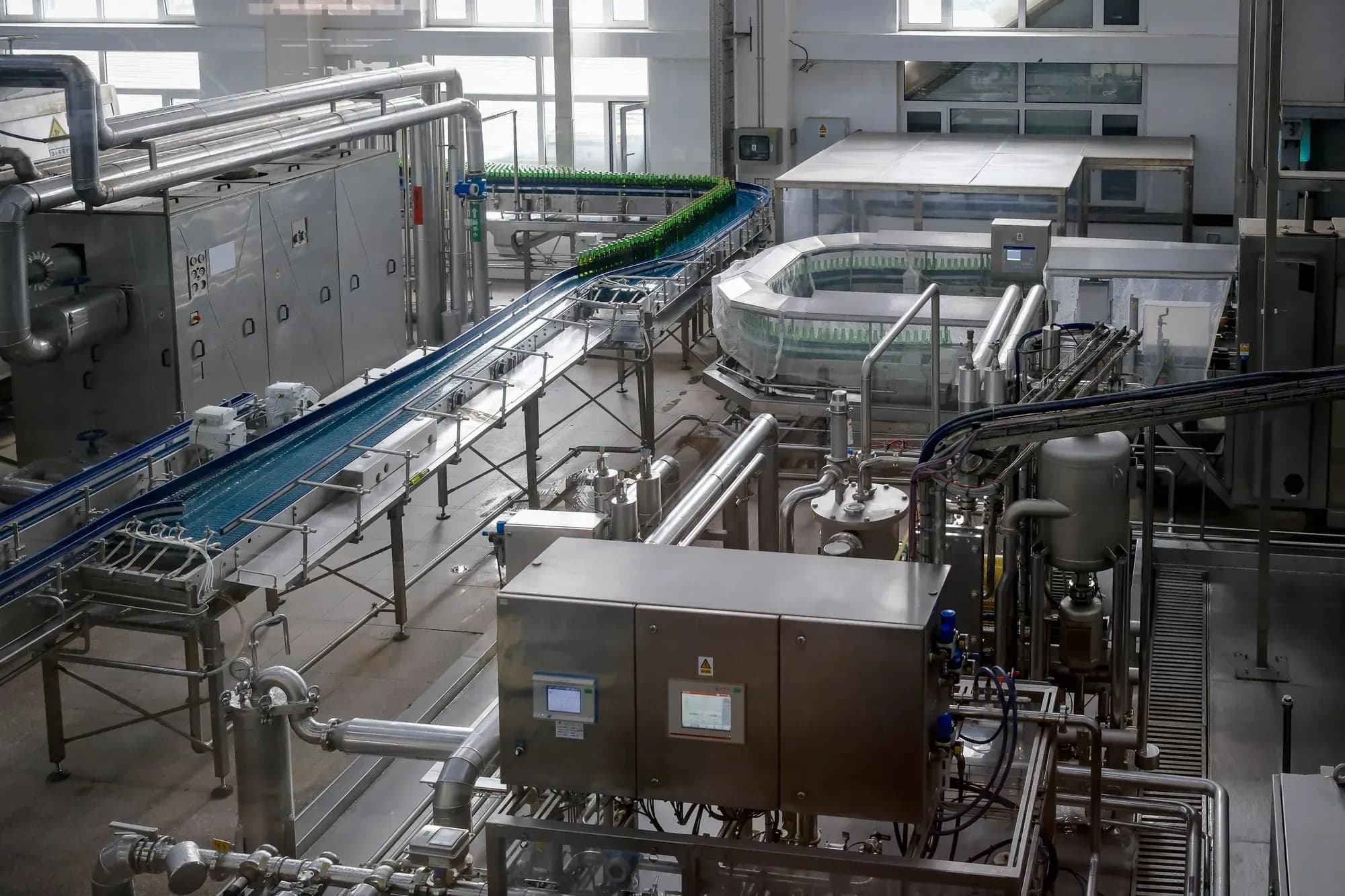
RPA in Manufacturing: Use Cases and Limits
RPA in manufacturing means software bots that copy data between business systems such as ERP, email and spreadsheets. It is not factory robotics. This guide covers the back-office use cases that work, where RPA fails, and how it differs from PLC automation and AI.
AI Energy Optimisation in UK Manufacturing
AI energy optimisation uses machine learning on meter, process and weather data to find waste, shift loads and recommend setpoints. This guide covers where savings come from, the UK rules that make them matter, how to start, and the skills you need.
ICS Cyber Security and AI: Protecting Smart Factories
ICS cyber security protects the PLCs, SCADA and networks that run physical plant. This guide explains how it differs from IT security, where AI helps defenders, where AI adds new risk, and which UK and international standards to follow.
UK Manufacturing Trends 2026: Automation and Skills
UK manufacturing trends in 2026 point two ways: firms plan to invest in technology and automation, yet recruitment has slowed and skills gaps persist. This guide sets out what Make UK, BDO and the IET found, what it means for automation engineers, and where to start free.

Food Manufacturing Maintenance Engineer Jobs in the UK
Food manufacturing maintenance engineer jobs in the UK pay about £27,000 to £48,000 on official figures, with agency adverts higher. Employers, hygiene rules, skills and a free route in.
Car Manufacturing Jobs in the UK: Automation Roles
Car manufacturing jobs in the UK range from line operators to PLC, robot and maintenance engineers. See the plants that hire, what the roles pay, the tools and standards used, and the free ways to start.

Pharmaceutical Automation Engineer Jobs in the UK
Pharmaceutical automation engineer jobs in the UK combine PLC, DCS and SCADA work with GMP validation. See the employers, the standards (GAMP 5, data integrity), pay evidence and how to start.
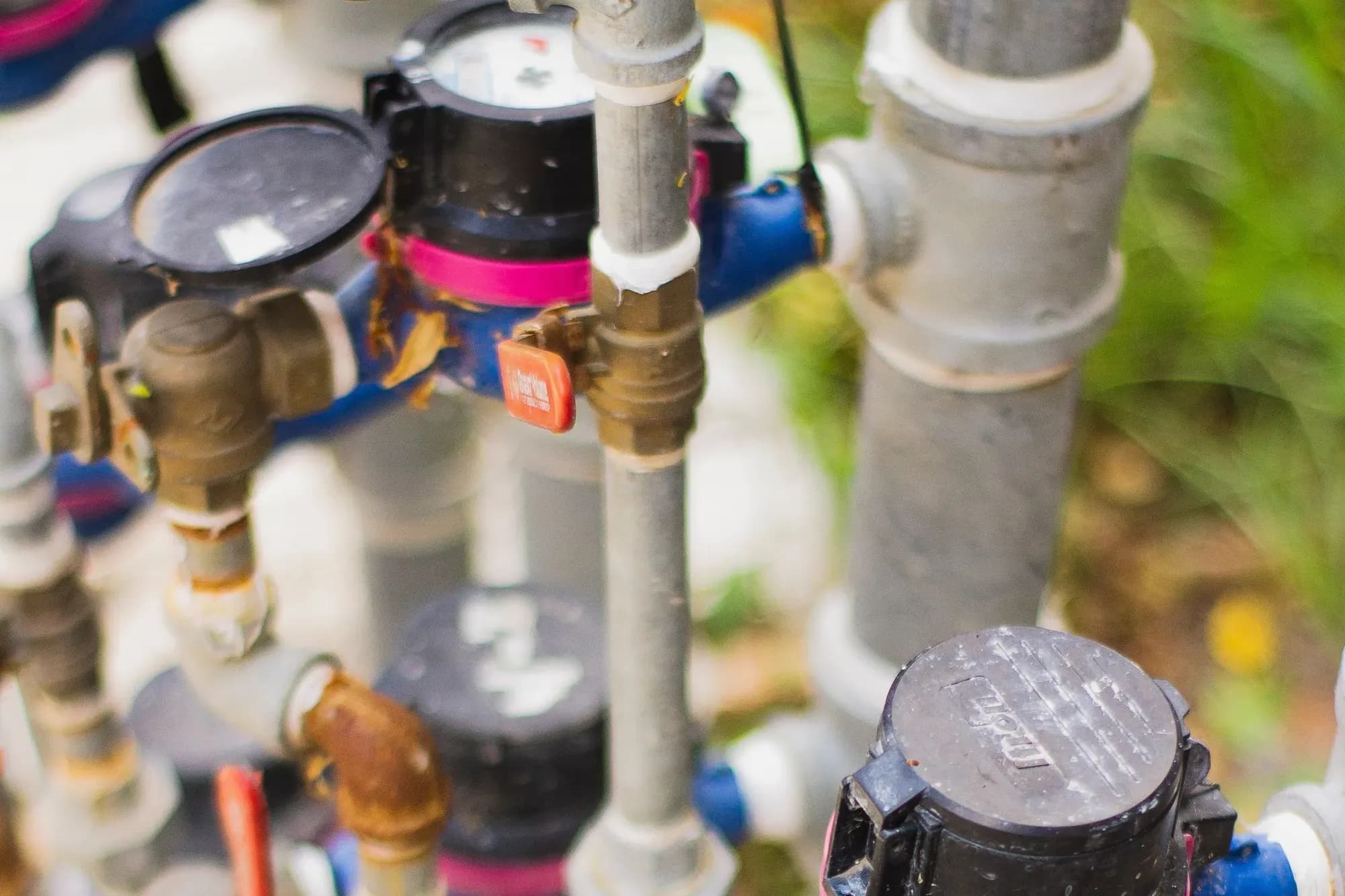
Power Plant Engineering Jobs in the UK: Where to Start
Power plant engineering jobs in the UK cover nuclear stations, gas-fired generation, refineries and renewables. Pay evidence, current adverts, safety systems and the routes in, with Hinkley Point C and Grangemouth as cases.

Wind Turbine Technician Jobs in the UK: Pay and Routes
Wind turbine technician jobs in the UK pay about £25,000 to £47,000 and need safety training before you climb. See who hires, current adverts, the control-room route and how solar and battery storage fit in.
Oil and Gas Automation Engineer Jobs in the UK
Oil and gas automation engineer jobs in the UK cover instrumentation, DCS and safety systems from Aberdeen to the refineries. Pay evidence, the tickets employers ask for, the shrinking market and the routes into energy-transition work.
FMCG Maintenance Engineer Jobs in the UK: Skills and Pay
FMCG maintenance engineer jobs in the UK run on continuous shifts across packaging and processing lines. See pay on current adverts, the skills employers ask for, Unilever's Port Sunlight investment and a free route in.

Warehouse Automation Engineer Jobs in the UK
Warehouse automation engineer jobs in the UK sit in robot-based sites run by Amazon, Ocado and logistics firms such as GXO. Pay on current adverts, the control architecture, skills and a free route in.
Nuclear Decommissioning Jobs in the UK: Controls Roles
Nuclear decommissioning jobs in the UK include controls, instrumentation and remote handling roles at Sellafield and other NDA sites. Pay evidence, clearance, apprenticeships and how to prepare.
Rail Signalling Engineer Salary and Routes in the UK
What a rail signalling engineer earns in the UK, who employs them, the standards and licences involved, and the apprenticeship and career-change routes in. Includes Network Rail scale facts and a free first step.
Aviation Engineer Jobs in the UK: Airports and Aerospace
Aviation engineer jobs in the UK split into licensed aircraft maintenance, airport engineering and aerospace manufacturing automation. Pay evidence, the Part-66 licence, Heathrow and BAE Systems, and free first steps.
BMS Engineer Jobs in the UK: Salary and How to Start
BMS engineer jobs in the UK pay roughly £34,000 to £56,000 on current adverts. What the job involves, the protocols and vendors, apprenticeships, and a free route into building automation.
Automation Engineer Jobs UK: Where the Adverts Are by City
We no longer rank UK cities for automation jobs because the public data is too thin. This guide shows ITJobsWatch advert counts and medians by region to 23 October 2026, explains why that index leans towards IT roles, and links live PLC, automation and maintenance job pages by city.
Automation Engineer Jobs in Manchester: Roles and Pay
Automation engineer jobs in Manchester cover PLC controls, SCADA, robotics, commissioning and maintenance. In the six months to 23 October 2026 ITJobsWatch counted 12 permanent PLC Engineer adverts (median £60,000), but its automation index is mostly IT roles. Here is how to read the data.
Automation Engineer Jobs in Sheffield: How to Switch
Automation engineer jobs in Sheffield are few: ITJobsWatch counted 5 permanent PLC Engineer adverts (median £65,000) and 8 Automation Engineer adverts (median £50,000) in the six months to 23 October 2026. This guide shows how maintenance and electrical engineers retrain, and what to search for.

Can Germans Work in the UK? Engineering Jobs and Visas
German citizens no longer have free movement to the UK, so most need a visa such as Skilled Worker with a sponsoring employer. This guide covers the salary rules, the Temporary Shortage List, what UK PLC employers ask for, and whether UK training is worth it. Checked 24 October 2026.
Automation Engineer Jobs in Birmingham and West Midlands
Automation engineer jobs in Birmingham and the West Midlands cluster around Jaguar Land Rover, Coventry battery work and a wide engineering supply chain. Sites, pay evidence, skills and free ways to start.
PLC Jobs in Europe: Online Training and Skills Guide
PLC jobs in Europe vary by country, but the core skills travel. This guide compares what to check in Germany, the Netherlands, Poland and Ireland, explains free and online training that works from anywhere, and sets out UK work rules for EU and Irish engineers (checked 24 October 2026).
AI in Industrial Automation: A Guide for PLC Engineers
AI in industrial automation is mostly analytics, vision and engineering assistants sitting above the PLC, not a replacement for it. This guide explains what changes for PLC and controls engineers, what does not, and a practical learning path with free courses.
PLC Training Germany: Online Siemens Course and Jobs
You can do PLC training for Germany online, in English, from home: free TIA Portal course first, then a live class if you want a timetable. This guide covers Siemens skills, the German job title SPS-Programmierer, language, Blue Card thresholds and what to check first.
PLC Programmer Jobs in the Netherlands: Skills and Training
PLC programmer jobs in the Netherlands sit in semiconductors, the Rotterdam port and process cluster, logistics and food. This guide covers the platforms to expect, English and Dutch, the highly skilled migrant route, and online and free training you can start from anywhere.
PLC Programmer Jobs in Poland: Skills and Online Training
PLC programmer jobs in Poland sit in automotive, food, wood processing and machine building, with automation spending rising as wages rise. This guide covers sources, platforms, language, online and free training, and the route to UK roles for Polish engineers.
EDWartens UK: The Wartens Story and What It Offers
EDWartens UK is the UK platform for engineers, run by Wartens Ltd (Companies House 15262249) in Milton Keynes. This post explains where it came from, how the four-step platform works and what it does not claim.

EDWartens and the UK StartUp Awards 2025 Win
EDWartens UK does not claim an award. This post explains what an award does and does not mean for a training provider, and sets out what EDWartens UK offers today.
Online PLC Course With an Instructor: How Classes Run
EDWartens UK teaches an online PLC course with an instructor: five live days on Microsoft Teams, cohorts of up to 10 learners. This post explains how teaching works and what support surrounds the class.
PLC Training in the UAE: Free and Live Online Options
EDWartens UK runs no classrooms in the UAE. This post explains what engineers there can use today: free courses, browser simulators and an online live class, all delivered online.
Free Online PLC Training for US Engineers: EDWartens
EDWartens UK is a UK business and runs no US classrooms. This post explains what US-based learners can use today: free online PLC training, browser simulators and a live online class.
Wartens Ltd: The Company Behind EDWartens UK
Wartens Ltd is a private limited company registered in England and Wales (Companies House 15262249), based in Milton Keynes. It runs EDWartens UK, the UK platform for engineers.
PLC Training Near Me: EDWartens in Milton Keynes
Looking for PLC training near Milton Keynes? EDWartens UK is registered there at 8 Lyon Road, MK1 1EX, but the Professional Module is taught live online on Microsoft Teams. This post explains what that means.
Engineering Job Board UK: EDWartens Jobs and Support
EDWartens UK runs a free UK job board for automation, controls, electrical and AI roles, and gives Professional Module learners career support. There is no job guarantee. This post explains how it works and how employers get involved.
Career Change to PLC Engineer: A Student Story
One learner's account of moving from a different career towards controls engineering with Siemens systems. We have not verified where they work now, so this post focuses on the route and explains what a career change into PLC engineering involves.
EDWartens: What the 30,000+ Engineers Figure Means
EDWartens UK does not publish a learner count. This post explains what a headline reach figure can and cannot tell you, and what support EDWartens UK offers learners in the UK today.
Free PLC Courses With Certificate (UK 2026): What Costs
Free PLC courses with a certificate exist, but free almost always means free to learn, not a free certificate. We compared Alison, Automation Community, Solis PLC and others on 24 October 2026, and set out what our own 30 free PLC courses and the optional £19 certificate do and do not give you.
Free PLC Simulator Online (2026): 9 Options Compared
A free PLC simulator online lets you write and test ladder logic in your browser with no PLC or licence. We compared the EDWartens Lab (which we make), plcsimulator.online, rungs.dev, ACC, PLC Fiddle, OpenPLC, CODESYS, LogixPro, TIA Portal PLCSIM and Studio 5000 Emulate on 24 October 2026.
BS 7671 Amendment 4: What Changed and How to Learn It
BS 7671:2018+A4:2026 was published on 15 April 2026 and became the only current edition on 15 October 2026. Key changes include a new chapter on stationary batteries, a Power over Ethernet section and a new EICR rule for FI. The City & Guilds qualification is paid; our free courses are not.
Free AI Courses UK (2026): Government Badge and More
Free AI courses in the UK include the government's AI Skills Boost (courses from under 20 minutes, with a virtual badge), Elements of AI and our own engineering-focused courses. We compare them on 24 October 2026 and say what each does, what the £19 EDWartens certificate is, and who should take what.
Multi-Skilled Maintenance Engineer: Pay, Skills and Route In
A multi-skilled maintenance engineer fixes both electrical and mechanical faults on production equipment. Adverts we opened on 24 October 2026 paid £50,000 to £57,289, and the National Careers Service gives £27,000 to £48,000 for the technician route.
Engineering Jobs with Visa Sponsorship UK: What Qualifies
Engineering jobs with visa sponsorship in the UK qualify when an employer holds a Home Office sponsor licence, the job is in an eligible occupation and the salary meets the minimum. Rules checked on gov.uk on 24 October 2026; general information, not legal advice.
Commissioning Engineer UK: Job, Pay and How to Start
A commissioning engineer tests and proves new plant before handover. ITJobsWatch showed a £50,000 median for permanent commissioning engineer adverts in the six months to 23 October 2026, and the adverts we opened ask for hands-on commissioning or electrical experience.
Free Virtual Work Experience for Engineering (UK Guide)
Free virtual work experience for engineering is available in the UK from Springpod (listed by UCAS), Forage, employer programmes and EDWartens job simulations. They are online programmes, not placements. What counts depends on who is asking, so say plainly what you did and ask your school, college or employer.
PLC Programming Exercises: 10 Projects, No PLC Needed
Ten PLC programming exercises you can practise without owning a PLC: motor start/stop, forward/reverse, star-delta, a batch counter, tank pump, traffic-style crossing, duty/standby pumps, analogue scaling, jam detection and a fault-finding challenge. Each runs free in a browser and is marked by numbered tests.
Do Job Simulations Count as Work Experience? (UK Guide)
Do job simulations count as work experience? Not as employment or a placement, and providers such as Forage say so themselves. They count as evidence of interest, skills and a project you can explain. List them under projects, training or certifications, name what you did, and ask whoever is reading what they accept.
What Is a PLC and Why Learn It? A UK Guide (2026)
A PLC (programmable logic controller) is a ruggedised industrial computer that reads sensors, runs a stored program in a repeating scan, and switches motors, valves and lights. UK permanent PLC Engineer adverts quoted a median of £60,000 in the six months to 21 October 2026, according to ITJobsWatch.
PLC Programming Languages: LD, FBD, ST and SFC Explained
IEC 61131-3 defines four current PLC programming languages: ladder diagram, function block diagram, structured text and sequential function chart. Instruction list was deprecated in 2013. In the six months to 21 October 2026, ITJobsWatch counted 67 UK permanent adverts citing ladder logic, up from 22 a year earlier.

The Future of SCADA in Industry 4.0: What Is Changing
SCADA is moving to web clients, open protocols such as OPC UA and MQTT, redundant servers with central archives, version-controlled engineering and tighter network security. UK permanent SCADA adverts rose to 632 in the six months to 21 October 2026, from 242 a year earlier, with a median salary of £55,000 (ITJobsWatch).
PROFINET vs EtherNet/IP: Which Should You Learn First?
PROFINET and EtherNet/IP are the two largest industrial Ethernet protocols: HMS Networks puts them at 30% and 25% of new nodes worldwide in 2025. PROFINET leads in Europe and is the natural partner for Siemens PLCs; EtherNet/IP leads in North America with Rockwell. Learn the one your target employers use.
Electrician to PLC Engineer: A UK Career Switch Guide
A qualified electrician already owns the hardest part of PLC work to teach: reading schematics, wiring and fault-finding. The gap is programming, HMI and networking. In the six months to 21 October 2026, UK permanent PLC Engineer adverts quoted a median of £60,000, according to ITJobsWatch. This guide shows what carries over and what to learn first.
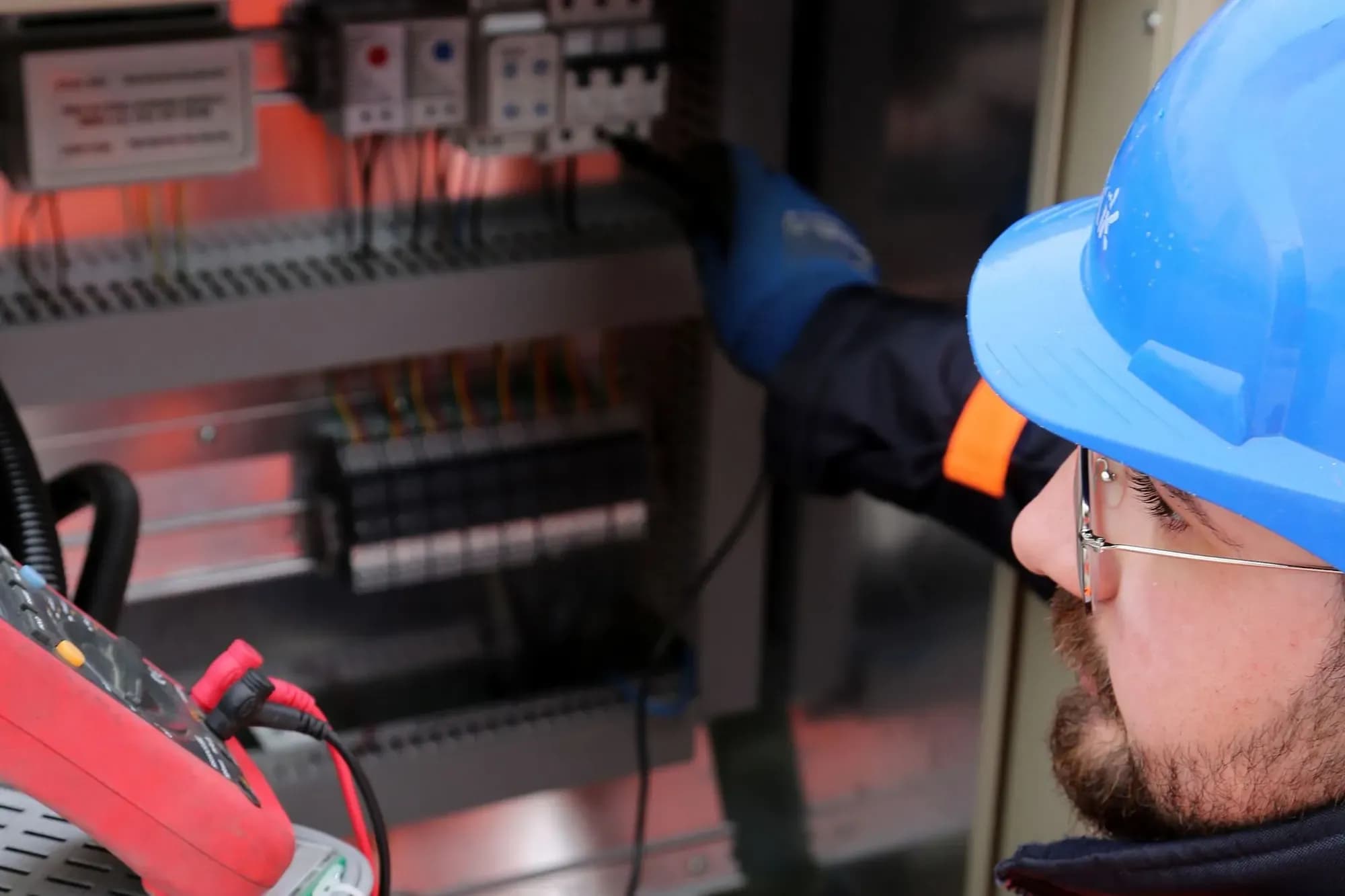
TIA Portal V19 Features, and What V20 and V21 Changed
TIA Portal V19 (November 2023) centred on motion control, software units and Named Values. V20 followed in November 2024 and V21 was presented on 11 November 2025, so V21 is the newest release we could confirm. The EDWartens course certificate states V19, and the fundamentals carry across versions.

Water Industry Automation Jobs UK: Roles, Skills and Pay
Ofwat's 2024 price review allows water companies in England and Wales £104 billion of total expenditure for 2025 to 2030, including a record £44 billion of enhancement investment. Automation roles include ICA technician, MEICA engineer, SCADA engineer and controls engineer; ITJobsWatch puts the median advertised SCADA salary at £55,000.

Siemens TIA Portal for Beginners: Your First PLC Project
TIA Portal is Siemens' single engineering environment for programming S7 PLCs, HMIs and drives. To start, install it, add an S7-1200 or S7-1500 CPU, write a start-stop rung in the Main [OB1] block and test it in a simulator. UK PLC Engineer adverts quoted a median of £60,000 in the six months to 21 October 2026 (ITJobsWatch).
Industrial Sensors Guide: Types, Signals and How to Choose
An industrial sensor turns a physical quantity into an electrical signal a PLC can read: either a discrete on/off switch or an analogue signal, most often 4-20 mA. Choose by what you measure, the target material, range, environment and output type. A 4-20 mA loop treats anything below 3.8 mA as a fault, which makes broken wires easy to spot.
VFD Guide: How Variable Frequency Drives Control Motors
A variable frequency drive (VFD) controls an AC motor's speed by changing the frequency and voltage it supplies. On fans and pumps, power falls with the cube of speed, so the Carbon Trust says a 20% speed reduction can save around 50% of power. Modern VFDs are typically 92 to 95% efficient.
PROFINET Explained: How It Works and How to Design a Network
PROFINET is an open industrial Ethernet standard that runs real-time I/O and ordinary IT traffic on one cable. PI reports 89.2 million installed nodes at the end of 2025, and HMS Networks puts it at 30% of new industrial Ethernet nodes. This guide covers RT, IRT, TSN, topology, redundancy and fault-finding.
Electrical Safety in Industrial Automation: UK Law and Standards
In Great Britain, electrical safety in automation work rests on the Electricity at Work Regulations 1989: systems must be safe, equipment must be isolable, live work needs strict justification, and people must be competent. HSE says it is never absolutely safe to work on live equipment. This is guidance, not legal advice.
Siemens S7-1500 vs S7-1200: Which PLC Should You Choose?
Choose the S7-1200 (or the newer S7-1200 G2) for compact machines with modest I/O, and the S7-1500 for larger, faster, more demanding systems. Siemens positions them as its basic and advanced controllers, and both are programmed in TIA Portal. Raw bit speed is not the deciding factor: the G2 lists 37 ns, the entry S7-1500 60 ns.
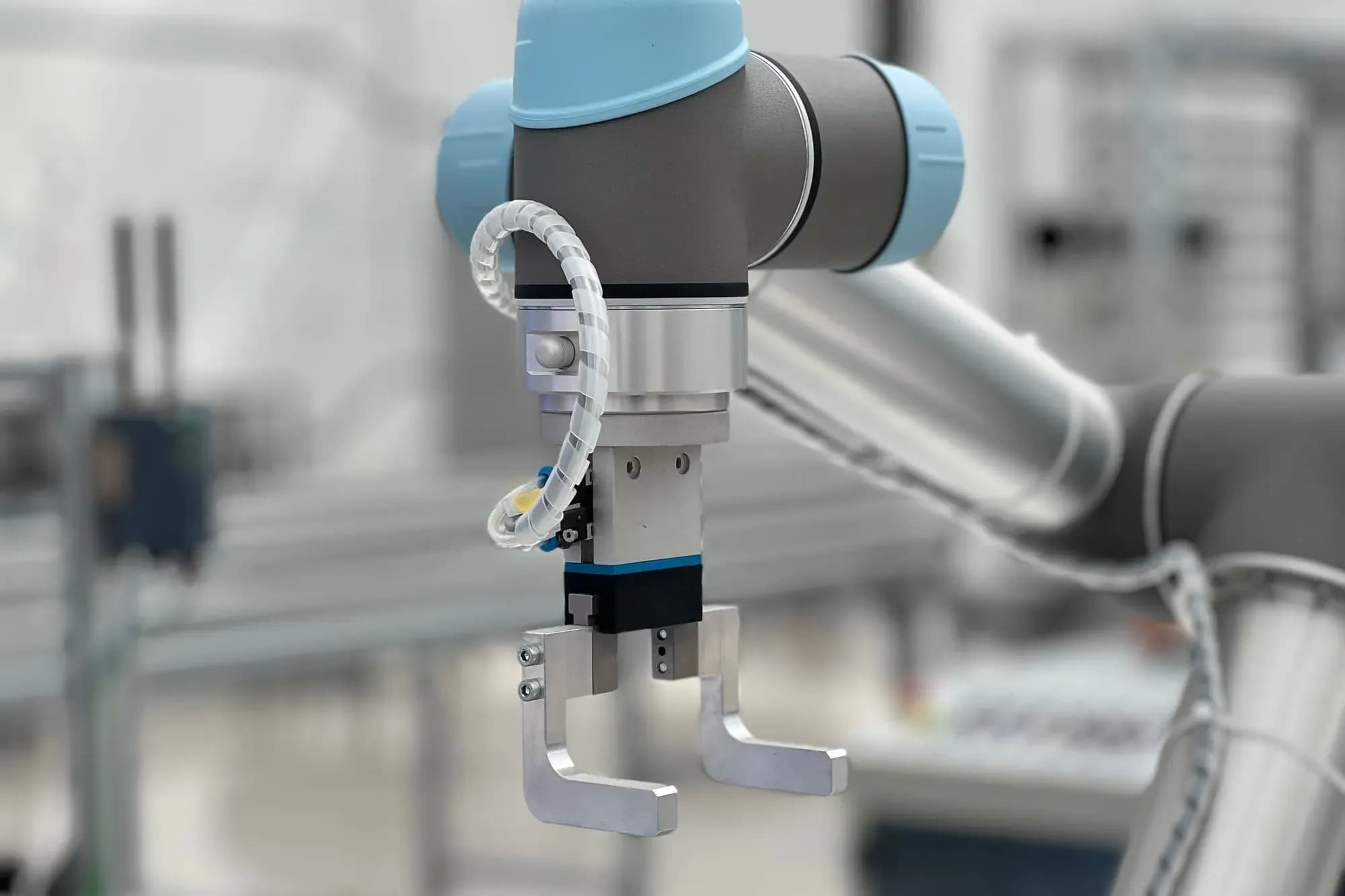
Industrial Actuators Explained: Motors, Valves and Cylinders
Actuators turn a PLC output into physical motion using electric, pneumatic or hydraulic energy. Industrial pneumatics typically run at about 80 to 100 psi, while hydraulics commonly work at 1,000 to 5,000 psi, which is why hydraulics are chosen when force is the priority. Match the actuator to force, speed, precision and the PLC interface.
PID Control Explained: Tuning Guide for Automation Engineers
PID control corrects a process by combining proportional, integral and derivative action on the error between setpoint and measurement. An ABB paper states that over 90% of process control systems use PID controllers. This guide explains each term, a worked Ziegler-Nichols tuning example, windup and derivative noise, and PID_Compact in TIA Portal.
Control Panel Design in the UK: Standards and Build Checklist
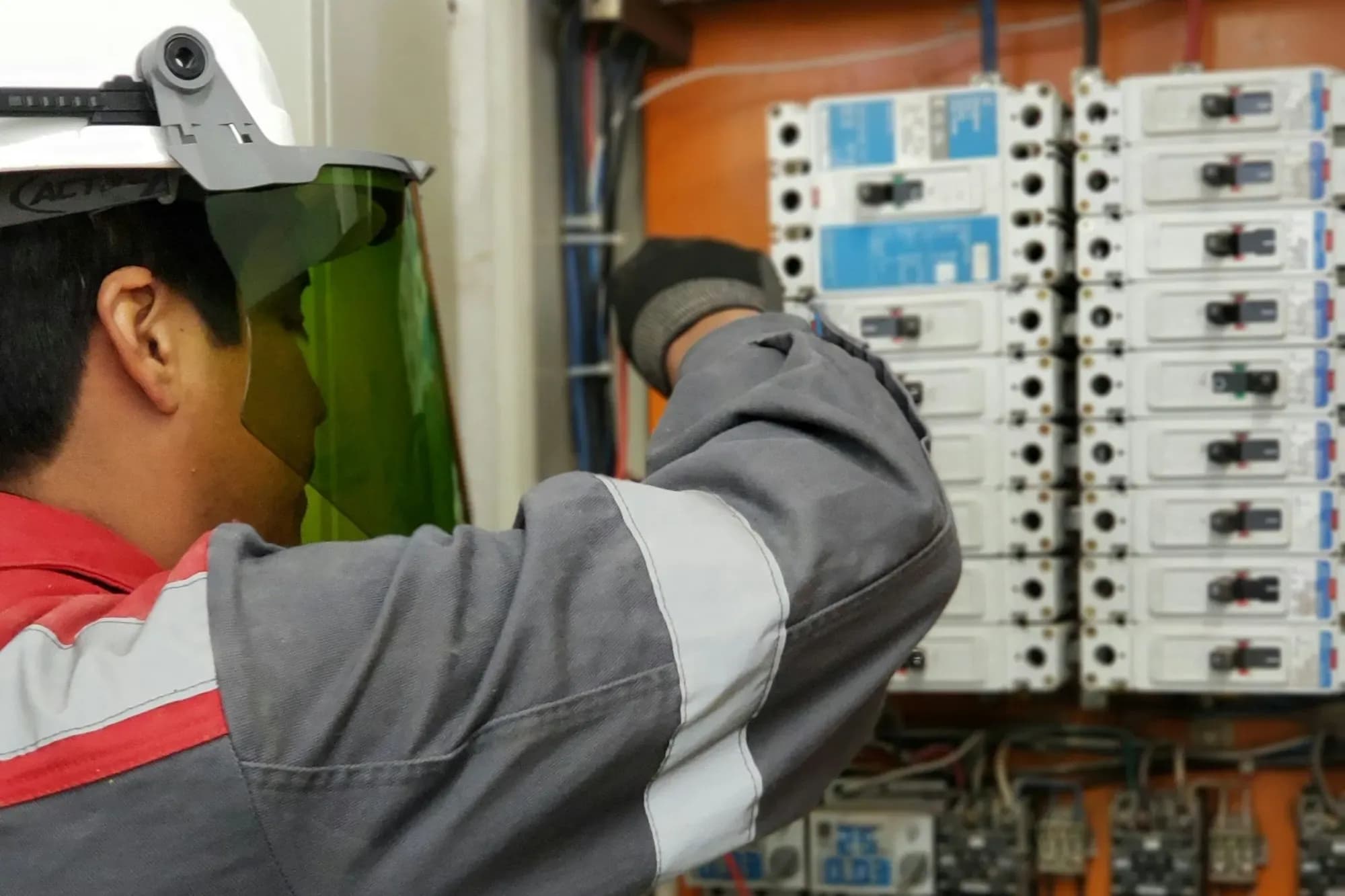
A UK control panel is designed against the standard that matches its job: IEC 61439 for power switchgear and controlgear assemblies, or IEC 60204-1 for the electrical equipment of a machine, with BS 7671 governing the supply installation. As of 15 October 2026 the IET treats BS 7671:2018+A4:2026 as current and Amendment 2 as obsolete.
OPC UA Explained: Connecting PLCs to SCADA, MES and Cloud
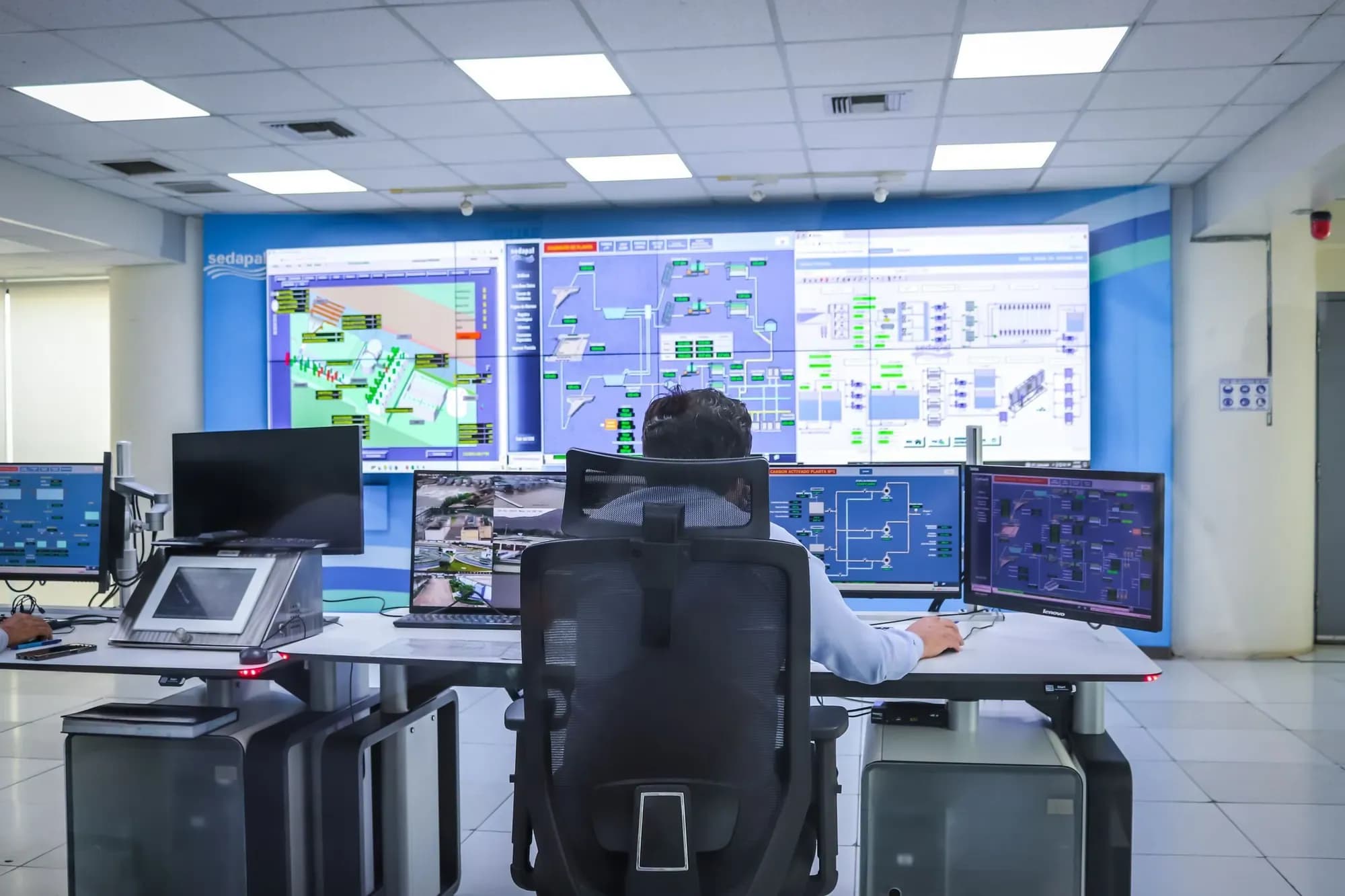
OPC UA is the OPC Foundation's platform-independent standard (IEC 62541) for moving industrial data with its meaning attached. It adds information models, certificate-based security and publish-subscribe on top of your PLC, SCADA and cloud systems. It complements PROFINET and EtherNet/IP rather than replacing them.
Functional Safety: SIL vs Performance Level (PL) Explained
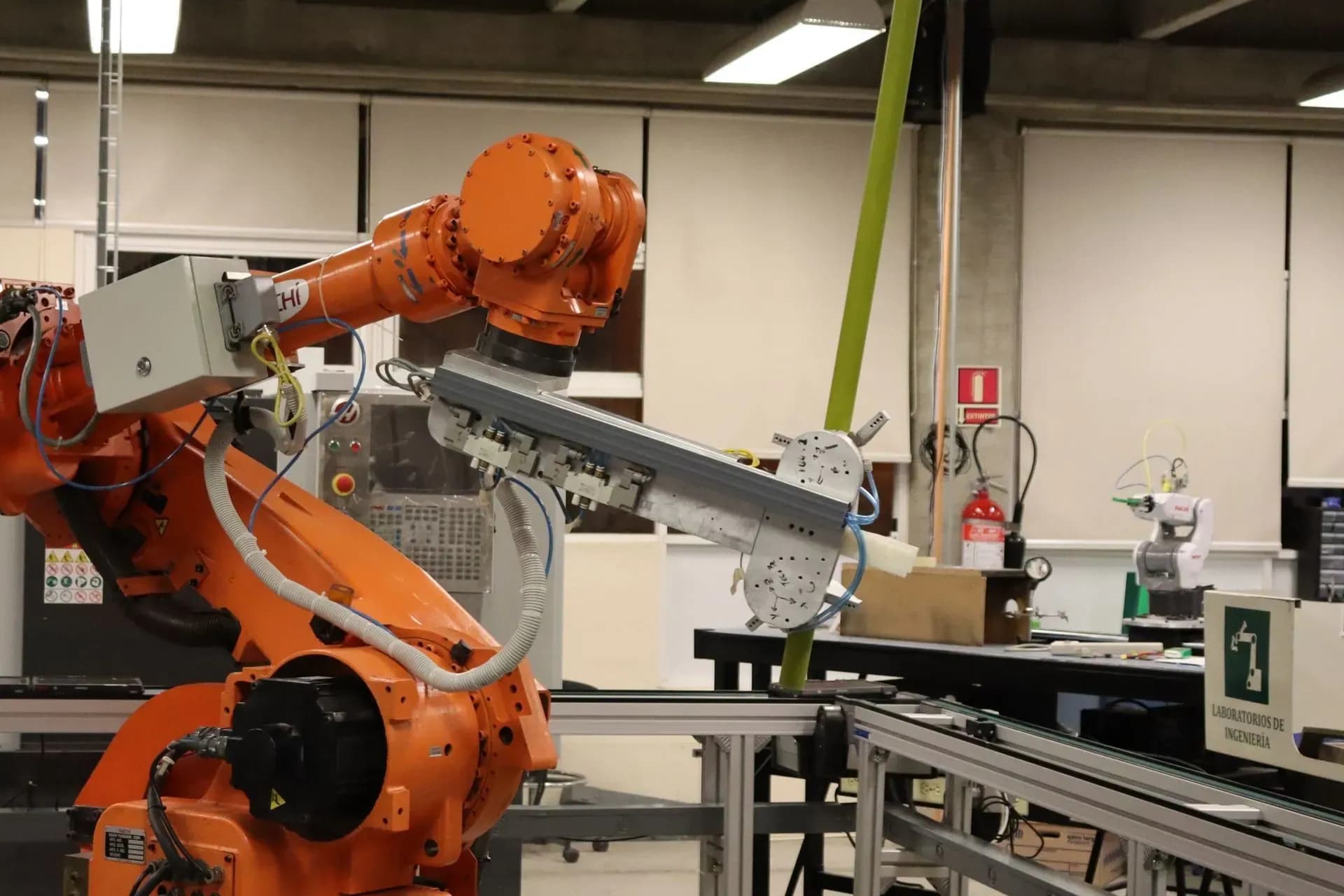
Functional safety is about making a safety function work correctly when needed. Machinery uses ISO 13849-1 Performance Levels (PL a to e) or IEC 62061 SILs (1 to 3); process plants use IEC 61511 under IEC 61508. PL e and SIL 3 both correspond to a dangerous failure rate from 10^-8 to below 10^-7 per hour.
IO-Link Explained: Smart Sensors, IODD and PLC Integration
IO-Link (IEC 61131-9) is a point-to-point link that turns ordinary 3-wire sensors and actuators into devices that report diagnostics and accept remote settings. PI counts 71 million installed IO-Link nodes after 9.7 million new in 2025. Here is how it works, what an IODD is and how it reaches the PLC.
PLC Programme Structure: Modular Design Best Practice
Good PLC programme structure splits a machine into reusable blocks: a thin main cycle, function blocks per piece of equipment with their own instance data, functions for stateless maths, and data blocks for shared data. This guide shows a practical layout in Siemens TIA Portal, with naming, documentation and version control habits.
Industrial Robot and PLC Integration: A UK Engineer's Guide
A PLC usually acts as the cell controller and the robot controller does the motion, linked by digital I/O handshakes or an industrial Ethernet fieldbus such as PROFINET. The IFR counted 603,307 industrial robots installed worldwide in 2025, up 11%, while Europe fell 14% to 73,054 units.

Industrial Energy Management and ISO 50001 in the UK
ISO 50001:2018 is the international standard for energy management systems, and for large UK companies it is also a compliance route for ESOS phase 4, whose notification deadline is 5 December 2027. PLC, SCADA and metering data supply the evidence: significant energy uses, baselines and performance indicators.
Predictive Maintenance Explained: A Practical Guide for UK Plants
Predictive maintenance schedules repairs from the measured condition of a machine rather than the calendar. Siemens' 2024 survey found nearly half of large industrial firms now have dedicated predictive-maintenance teams, twice the share of 2019. This guide compares the four maintenance strategies, the sensors involved, where PLCs and SCADA fit, and a realistic adoption path.
Python for Automation Engineers: PLC Data, OPC UA and Analysis
Python does not replace ladder logic or structured text, but it is excellent for pulling data out of PLCs, analysing it and automating reports. This guide covers the maintained libraries for S7, Modbus and OPC UA, plus the security and safety limits every engineer should know.
Process Control vs Discrete Manufacturing: Key Differences
Process control automation manages continuous or batch production of bulk materials using analogue loops and DCS platforms, while discrete automation controls countable items using PLCs, motion and robots. ITJobsWatch's UK data to 21 October 2026 shows median advertised salaries of £60,000 for PLC and automation engineers and £50,000 for instrumentation engineers.
PLC Market Forecast to 2030: Size, Trends and UK Career Impact
Analyst firms put the global PLC market at roughly $11 to 13.5 billion in 2025 to 2026, but their forecasts disagree widely, from 6.5% to 11.4% annual growth. The more reliable signals for engineers are network node counts, security rules and UK job data, all covered here with sources.
How to Become a PLC Engineer in the UK: Routes, Pay, Timeline
You can become a PLC engineer in the UK through an apprenticeship, an HNC or degree, a short PLC course, or by moving across from electrical maintenance. Trainee adverts on Reed on 21 October 2026 ranged from about £25,000 to £50,000, and ITJobsWatch puts the median permanent PLC engineer salary at £60,000.
Automation Engineer Interview Tips for UK Candidates
Prepare for an automation or PLC engineer interview by mapping the advert to your own projects, rehearsing fault-finding stories in STAR format, practising a small program on a simulator and knowing your salary range. ITJobsWatch puts the UK PLC engineer median at £60,000 (October 2026).
Best Certifications for Automation Engineers (UK, 2026)
The most useful automation credentials depend on your platform and role: a vendor certificate (Siemens or Rockwell), ISA CAP or CCST, TÜV functional safety engineer, CompEx for hazardous areas, or UK registration as EngTech, IEng or CEng. This guide describes each from the awarding body's own pages.
CV Tips for Automation and PLC Engineers (UK Guide)
A strong automation engineer CV is short, tailored to the advert, and shows measured results on named platforms. Siemens is named in 11.8% of UK PLC engineer adverts and Rockwell in 5.6% (ITJobsWatch, October 2026), so say exactly which controllers, software and protocols you have used.
A Day in the Life of a PLC Programmer: What Work Looks Like
A PLC programmer's day depends on where they work: an office design day, a site commissioning day and a support day look very different. This generic walk-through covers all three, with the tools and the typical tasks. UK PLC Engineer adverts quoted a £60,000 median in the six months to 21 October 2026, according to ITJobsWatch.
SCADA Engineer Career Path in the UK: Stages and Pay
A SCADA career typically moves from support or junior HMI work, to owning projects, to architecture or sector specialism. UK permanent adverts citing SCADA quoted a £55,000 median in the six months to 21 October 2026, according to ITJobsWatch, with a spread from £39,500 to £80,000 across the 10th and 90th percentiles.
Freelance PLC and Automation Contractor Guide (UK, IR35)
UK freelance automation work is real but unevenly paid: ITJobsWatch shows a median contract day rate of £475 for Automation Engineer roles and £550 for SCADA in the six months to 21 October 2026. This guide covers day rates, IR35 as gov.uk describes it, and the steps to go independent.
Women in Engineering and Automation: UK Data and Routes In
Women make up 17% of the UK engineering and technology workforce, against 56% of other occupations, according to EngineeringUK (April 2026, 2025 data). That is up from around 10% in 2010, so progress is real but slow. This guide covers what the numbers say, what holds people back, and practical ways into PLC and automation work.
Graduate Schemes for Automation Engineers in the UK
Few UK graduate schemes are labelled 'automation', so look for engineering programmes that include control and instrumentation work. SSE's two-year Engineering Graduate Programme names Control and Instrumentation, and United Utilities and Rolls-Royce run engineering schemes with published starting pay. Application windows vary, so check each employer's page.
LinkedIn Profile Tips for PLC and Automation Engineers
To get found by recruiters on LinkedIn, write a headline with your role and platforms, back every skill with a project or certificate, and use the Open to Work setting that fits your situation. Siemens is named in 11.8% and Rockwell in 5.6% of UK PLC engineer adverts (ITJobsWatch, October 2026), so those terms belong on your profile.
Remote Work in Industrial Automation: What Is Possible in the UK
Part of automation work can be done remotely, but not commissioning. The IET Skills Survey 2025 found 83% of UK engineering employers offer flexible working, and of the 14% who do not, 59% say the job cannot be done remotely. Here is which tasks suit home working and how to stay secure.
Soft Skills for Automation Engineers: What UK Employers Value
Employers rank innovative thinking as the most vital skill for future growth (42%), just ahead of digital and technical expertise (39%), in the IET Skills Survey 2025. For automation engineers, the soft skills that matter most are clear communication, structured problem-solving and calm handovers. Here is how to build each one.
How to Build a PLC Programmer Portfolio Without Hardware
A PLC portfolio is three to five documented projects, each with a specification, I/O list, program, test evidence and a short write-up. You can build all of them free using browser simulators, Siemens PLCSIM and Factory I/O. UK trainee and junior PLC roles on Reed ranged from £25,000 to £50,000 on 21 October 2026.
How to Get Into SCADA Engineering With No Experience (UK)
You can start SCADA work without experience by learning how a PLC feeds a SCADA system, building two small projects, and applying for support, technician or junior HMI roles. ITJobsWatch counted 632 UK permanent adverts citing SCADA in the six months to 21 October 2026, with a median of £55,000.
Electrical Engineering to Automation: A UK Career Guide
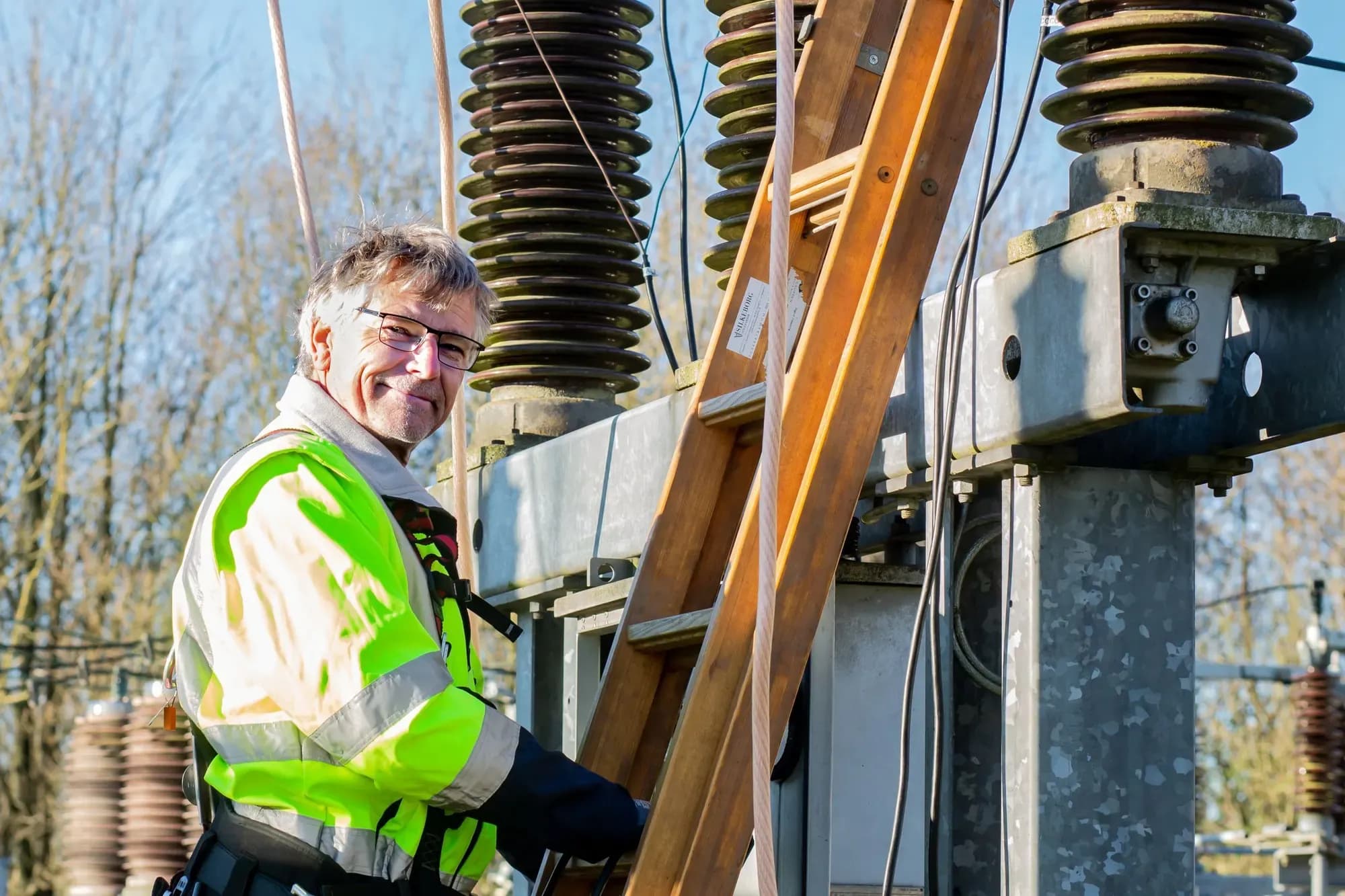
Electrical engineers can move into automation by adding PLC programming, networking and control theory to a strong circuits base. The harder question is which lane to enter: commissioning, controls design, integrator or utility C and I. UK Automation Engineer adverts quoted a £60,000 median in the six months to 21 October 2026, according to ITJobsWatch.
What Is SCADA? Architecture, Protocols, Platforms, UK Uses
SCADA (supervisory control and data acquisition) is a control system architecture that lets operators monitor and control machines and processes from a central point, using field controllers, communications, servers, operator screens and a historian. ITJobsWatch counted 632 UK permanent adverts mentioning SCADA in the six months to 21 October 2026, with a median salary of £55,000.
Siemens vs Allen-Bradley PLC: Which to Learn First in the UK
For UK jobs, learn Siemens TIA Portal first and add Allen-Bradley Studio 5000 second. On 21 October 2026 Reed listed 164 Siemens PLC jobs against 66 for Allen-Bradley, and Siemens was named in 71.6% of the UK Allen-Bradley adverts ITJobsWatch tracked. The concepts transfer, but you will need to relearn the software.
Industry 4.0 and the UK Automation Skills Gap: What the Data Shows
76% of UK engineering and technology employers struggle to recruit for certain skills, and 30% say they lack automation skills, according to the IET Skills Survey 2025. Make UK's 2026 survey also lists skills as a top barrier. Here is the evidence, what it means for careers, and how to respond.
What Is CPD Accreditation? CPD vs Regulated Qualifications
CPD accreditation means an independent body has reviewed a learning activity and agreed it counts as continuing professional development. It is not a regulated qualification like an HNC or a City & Guilds award. The CPD Group, for example, gives each accredited activity a unique number and says one credit equals one hour of structured learning.
VR Training for Industrial Automation: What the Evidence Shows
A meta-analysis of virtual, augmented and mixed-reality training found it as effective as traditional methods, not better, with its value lying where danger or cost rules out the real thing. For PLC programming, desktop simulation such as PLCSIM and Factory I/O covers most needs; headsets earn their place in safety and spatial tasks.
Digital Twin in Manufacturing Explained: Model, Shadow, Twin
A digital twin is a digital object connected to a physical one by automatic data flow in both directions. If data flows one way only it is a digital shadow, and if nothing is automatic it is simply a model. For PLC engineers, the most accessible entry point is virtual commissioning: testing control code against a simulated machine before it reaches site.
What Is Industrial Automation? A UK Beginner's Guide
Industrial automation uses control systems, sensors and software to run machines and processes with minimal human intervention. In the UK it spans PLCs, HMI and SCADA, drives, instrumentation and robots; ITJobsWatch shows a median £60,000 in permanent Automation Engineer adverts in the six months to 21 October 2026.
PLC vs SCADA: What's the Difference? Which to Learn First
A PLC controls machinery in real time at the field level; SCADA supervises, logs and displays data from PLCs and other controllers. PLCs are used inside both SCADA and DCS systems, according to NIST. Learn the PLC first, then add SCADA: UK adverts cite SCADA 632 times against 144 for PLC Engineer.
Ladder Logic Tutorial for Beginners: Worked Examples (2026)
Ladder logic is the graphical PLC language in IEC 61131-3, drawn as rungs between two power rails. This tutorial explains contacts, coils, timers and counters, then builds a start/stop motor circuit with a seal-in and a two-timer flasher, with the logic written out in plain text.
50 PLC Interview Questions and Answers (UK, 2026)
A working question bank of 50 PLC and automation interview questions with short, technically checked answers, grouped by topic: fundamentals, Siemens, Rockwell, SCADA, networks, safety and behavioural. Siemens appears in 11.8% of UK PLC engineer adverts on ITJobsWatch and Rockwell in 5.6%, so both are covered.
SCADA Tutorial for Beginners: Your First WinCC and Ignition Project
A SCADA system gives operators a live view of a process through tags, screens, alarms and history. Build a tank-level project in four parts: define tags, draw a screen, configure an alarm and log history, in either Siemens WinCC or Ignition. UK permanent SCADA adverts quoted a median of £55,000 in the six months to 21 October 2026 (ITJobsWatch).
HMI Design Best Practices: ISA-101 and High-Performance HMI
Good HMI design follows a lifecycle (philosophy, style guide, templates, testing), uses restrained colour so abnormal conditions stand out, and manages alarms to HSE and EEMUA targets of no more than one alarm every ten minutes on average. ISA-101 is the international standard behind it.
DCS vs PLC: Key Differences and When to Use Each
A DCS (distributed control system) is a plant-wide, integrated system for controlling continuous and batch processes at one site; a PLC is a controller traditionally used for machines and discrete logic. NIST notes PLCs also act as local controllers inside a DCS, and the boundary is increasingly blurred.
Allen-Bradley Studio 5000 Tutorial: First ControlLogix Project
Studio 5000 Logix Designer is Rockwell Automation's software for programming Logix 5000 controllers such as ControlLogix and CompactLogix. A first project means creating a project, adding I/O, creating tags, writing a ladder routine and downloading it. UK permanent adverts citing Allen-Bradley numbered 155 in the six months to 21 October 2026 (ITJobsWatch).
PLC Troubleshooting: A Step-by-Step Method for Fault Finding
The fastest PLC fault-finding method is: make it safe, observe the symptom, read the diagnostic buffer, then prove each link in the chain from sensor to input, logic, output and actuator with measurements. HSE guidance says dead testing is often as effective as live measurement, so isolate first wherever you can.
Machine Vision and PLC Integration: A Practical Guide
A machine vision system pairs lighting, a camera, a processor and software, and reports a result to the PLC, most often a pass or fail. Smart cameras connect over PROFINET or EtherNet/IP; at 300 bottles per minute the line gives the system only 200 ms per item. This guide covers architecture, handshakes, timing and reject tracking.
PLC Training With Job Support in the UK: What's Real
Job support on a UK PLC course should mean practical help getting hired: CV review, interview preparation, vacancy visibility and honest advice. It cannot mean a guaranteed job, and no reputable provider can promise one. ITJobsWatch shows a median of £60,000 for permanent PLC Engineer roles, but employers, not course providers, make the hiring decision.
Trainee PLC Jobs UK: What Employers Actually Ask For
Trainee PLC jobs in the UK mostly ask for an electrical, mechanical or maintenance background plus genuine interest, not prior PLC experience. On Reed on 21 October 2026, advertised pay ranged from £25,000 for graduate control systems posts to £50,000 for junior automation engineers who already show PLC, HMI and SCADA exposure.
PLC Jobs UK 2026: Salaries, Vacancies and Demand Data
Advertised permanent UK PLC Engineer roles rose by more than 80% year on year, with ITJobsWatch counting 144 adverts in the six months to 21 October 2026 against 79 a year earlier, at a median salary of £60,000. Automation Engineer adverts roughly doubled from 227 to 463. These are small, IT-focused samples, so treat them as direction, not precision.
Siemens TIA Portal Course UK: Options, Versions, Prices
UK options for a Siemens TIA Portal course range from Siemens SITRAIN classroom and online courses, a 3-day Make UK course at £995 + VAT and evening college courses (free if eligible), to online programmes and free courses. SITRAIN prices five-day courses by personalised quotation; the right choice depends on version, format and budget.
PLC Training Online UK: Live vs Self-Paced vs Free
For online PLC training in the UK, live instructor-led classes suit people who need structure and feedback, self-paced courses suit those who need flexibility, and free simulators suit anyone testing the water. EDWartens' live Professional Module is five days and £2,568 including VAT; Siemens SITRAIN's five-day online course is priced by quotation.
PLC Apprenticeship vs Short Course vs Degree: UK Routes
The official PLC apprenticeship is the Level 4 Automation and Controls Engineering Technician standard (ST0662), with a typical duration of 48 months and a maximum funding band of £14,000, according to Skills England. A degree takes about three years; a short course takes days or weeks. Which one fits depends on your age, your employer and how soon you need to be earning.
How Long Does It Take to Learn PLC Programming?
Most people can write basic ladder logic after about 40 to 60 focused hours, or four to eight weeks of regular practice, but being useful on a real site takes months and independence takes a year or more in a job. A class of 3 to 5 days gets you started; practice afterwards makes you competent. These are planning estimates, not published statistics.
PLC Engineer Job Description UK: Programmer vs Controls Engineer
In UK adverts the titles overlap heavily: a PLC programmer mainly writes and modifies control logic, a PLC engineer also commissions and supports systems, and a controls engineer designs wider control systems. ITJobsWatch shows a median advertised salary of £60,000 for PLC Engineer roles and £55,000 for Control Systems Engineer roles in the six months to 21 October 2026.
What Can You Do After a PLC Course? UK Roles and Next Steps
After a PLC course the realistic UK entry roles are trainee or junior controls engineer, service or commissioning technician, maintenance technician and SCADA or HMI support. On 21 October 2026 Reed showed 133 trainee PLC results, with examples from about £26,000 to £50,000. A course gives you the start; what you build in the next 90 days decides the first role.
PLC Training Kit vs Simulator: Do You Need Hardware?
You do not need to buy a PLC kit to learn PLC programming: Siemens PLCSIM, Factory I/O and free browser simulators cover logic and testing. But simulators have limits. Siemens' own manual says S7-PLCSIM does not simulate counting, PID control or motion control for S7-1200 CPUs. Hardware teaches wiring, comms and real faults.
SCADA Training in the UK: WinCC vs Ignition vs AVEVA
WinCC, Ignition and AVEVA are all established SCADA platforms, and the best one to learn first is the one your target employers run. ITJobsWatch counted 632 permanent UK adverts citing SCADA in the six months to 21 October 2026, with a median salary of £55,000. This guide compares the three neutrally and shows how to start free.
Funded PLC Training in England: What Exists in 2026
Public funding in England mostly attaches to regulated qualifications at approved colleges, not short private courses. Free Courses for Jobs covers adults aged 19+ earning under £25,750 or unemployed; Advanced Learner Loans cover Level 3 to 6; apprenticeships pay you to learn. EDWartens' private course is not eligible for loan or bootcamp funding. Rules checked 21 October 2026.

PLC Certification UK: CPD vs City & Guilds vs Siemens
A CPD certificate shows you completed structured learning, a City & Guilds or EAL award is a regulated qualification at a set level, and Siemens certification means passing Siemens' own practical exam. None is best for everyone. NVQ Level 3 appears in 26.1% of the 632 UK SCADA adverts ITJobsWatch counted to 21 October 2026.
PLC Jobs With Visa Sponsorship in the UK: What gov.uk Says
To work in the UK on a Skilled Worker visa you need a job offer from a Home Office-approved sponsor, an eligible occupation and a salary of at least the higher of £41,700 or the job's going rate, per gov.uk on 21 October 2026. Trainee PLC roles usually pay less than that. This is general information, not legal advice.
Is PLC Training Worth It in the UK? Costs vs Pay Data
It can be, if the course fits a role you can realistically reach. ITJobsWatch shows a £60,000 median for advertised permanent PLC Engineer jobs in the six months to 21 October 2026, but that describes experienced roles. Trainee adverts on Reed started at £25,000. Training pays back only if it moves you into work you would not otherwise reach.
Best PLC Training UK 2026: Honest Comparison of Courses
There is no single best PLC training in the UK; the right course depends on your PLC brand, budget and whether you need hardware or a regulated credential. Listed prices on 21 October 2026 range from free (Dudley College, if eligible) to £1,800 + VAT (Scantime), while Siemens SITRAIN prices by quotation.
PLC Training Cost UK 2026: Prices by Route, Checked
PLC training in the UK costs anywhere from nothing to well over £2,000, depending on route. On 21 October 2026, publicly listed prices included £995 + VAT (Make UK, three days), £1,030 + VAT (Technique, five days) and £2,140 + VAT (EDWartens, five days live online). Siemens SITRAIN is priced only by quotation.
roboTED: Our Robotics Education Initiative
roboTED inspires the next generation of engineers through hands-on robotics education programmes for schools, colleges, and community groups.
SEEKOF: Our Job Search Platform for Engineers
SEEKOF is a dedicated job search platform built specifically for engineers, aggregating automation and engineering opportunities from across the UK and beyond.
3BOX AI: Our AI Infrastructure Platform
3BOX AI provides the underlying infrastructure that powers AI applications across the Wartens ecosystem and beyond.
OSCABE AI: Our Computer Vision Product for Industrial Quality Control
OSCABE AI applies advanced computer vision and artificial intelligence to automate visual quality inspection in manufacturing environments.
nxtED AI: How We're Building the Future of Microlearning
nxtED AI delivers bite-sized, AI-personalised technical education that fits into busy engineering schedules and reinforces structured training.
Introducing OFORO AI — Our AI-Powered Recruitment Platform
OFORO AI uses artificial intelligence to match automation engineers with employers, creating faster, more accurate hiring outcomes for the engineering sector.
Articles are written by the EDWartens team.