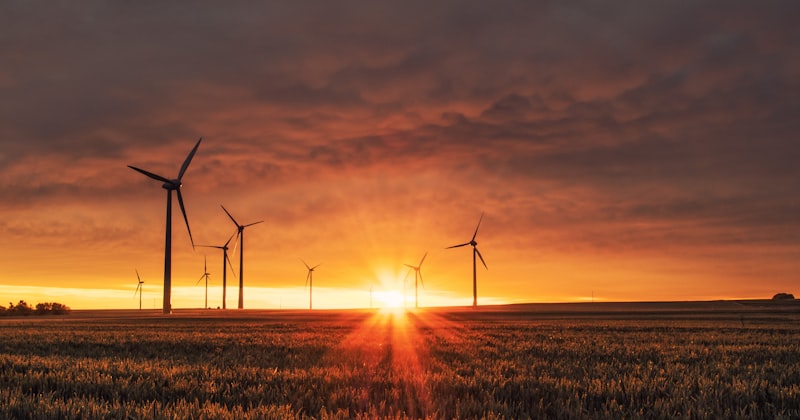

The United Kingdom is a global leader in renewable energy, particularly offshore wind. As the country races to meet its net zero targets, the renewable energy sector is creating an increasing number of automation and control systems roles. Engineers who position themselves at the intersection of traditional automation skills and renewable energy technology are finding exceptional career opportunities.
Offshore Wind Automation
The UK has the world's largest installed capacity of offshore wind, with developments including Hornsea, Dogger Bank, and East Anglia arrays. Each wind farm consists of dozens to hundreds of turbines, each containing sophisticated control systems that optimise power output while protecting mechanical components.
Wind turbine control systems manage blade pitch, yaw positioning, generator speed, and grid synchronisation. Major turbine manufacturers including Siemens Gamesa, Vestas, and GE Renewable Energy each use proprietary control platforms. Substation automation using IEC 61850 communication protocols manages power collection and transmission to shore.
SCADA systems monitor entire wind farms, providing operators with real-time performance data and enabling remote control of individual turbines. The trend towards larger turbines (15 MW and above) and floating wind technology is increasing the complexity and importance of automation systems.
Onshore Wind and Solar
Onshore wind farms and solar photovoltaic installations also require control systems expertise. Solar inverter control, maximum power point tracking, and grid compliance systems ensure efficient energy conversion. Battery energy storage systems co-located with solar farms use sophisticated battery management systems and power conversion control.
The UK's growing fleet of solar farms requires automation engineers for installation, commissioning, and ongoing maintenance. While individual solar installations are relatively simple, large solar farms with battery storage and grid services capability involve complex control system design.
Battery Energy Storage Systems
Battery energy storage is one of the fastest-growing segments in UK energy, with grid-scale installations providing frequency response, peak shaving, and energy arbitrage services. These facilities use PLCs and SCADA systems to manage battery charging and discharging cycles, thermal management, and grid interaction.
Key automation challenges in battery storage include maintaining battery health through optimised charge and discharge profiles, managing thermal conditions to prevent thermal runaway, and responding to National Grid requirements for frequency regulation within milliseconds.
Hydrogen Production
Green hydrogen production through electrolysis is an emerging sector with significant automation requirements. Electrolyser control systems manage cell stacks, water purification, gas compression, and storage. As hydrogen production scales up in the UK, particularly around industrial clusters in Teesside, Humberside, and Scotland, demand for automation engineers with hydrogen experience is growing rapidly.
Skills and Training
Renewable energy automation builds on traditional PLC and SCADA skills but requires additional knowledge in areas including power electronics, grid codes, and energy management systems. Understanding IEC 61850 communication protocol is particularly valuable for substation and grid connection automation.
Engineers transitioning from traditional industries to renewables often find their PLC programming, instrumentation, and SCADA skills directly transferable. Additional training in specific renewable energy technologies can be obtained through courses from the Institution of Engineering and Technology and various specialist training providers.
Salary and Employment Outlook
Renewable energy automation roles offer competitive salaries reflecting the sector's growth and skills shortage. Wind farm SCADA engineers earn between 40,000 and 60,000 pounds, while senior control systems engineers in battery storage can earn 55,000 to 75,000 pounds. Contract rates in offshore wind commissioning can reach 500 to 650 pounds per day.
The employment outlook is exceptionally positive, with the UK government's energy security strategy targeting 50 GW of offshore wind by 2030. This expansion will require thousands of additional automation and control systems professionals over the coming decade.
