

Examples
Routes into automation
Examples of common routes into PLC and automation work in the UK. They are not stories of individual learners. For each route, you will see what people usually already have, what to add, typical first roles, and a guide to read next.
Examples of common routes
Four common routes
These are examples, not stories of individual learners. They do not show salaries, the time it takes to find a job, or sponsorship outcomes.
 Route 1
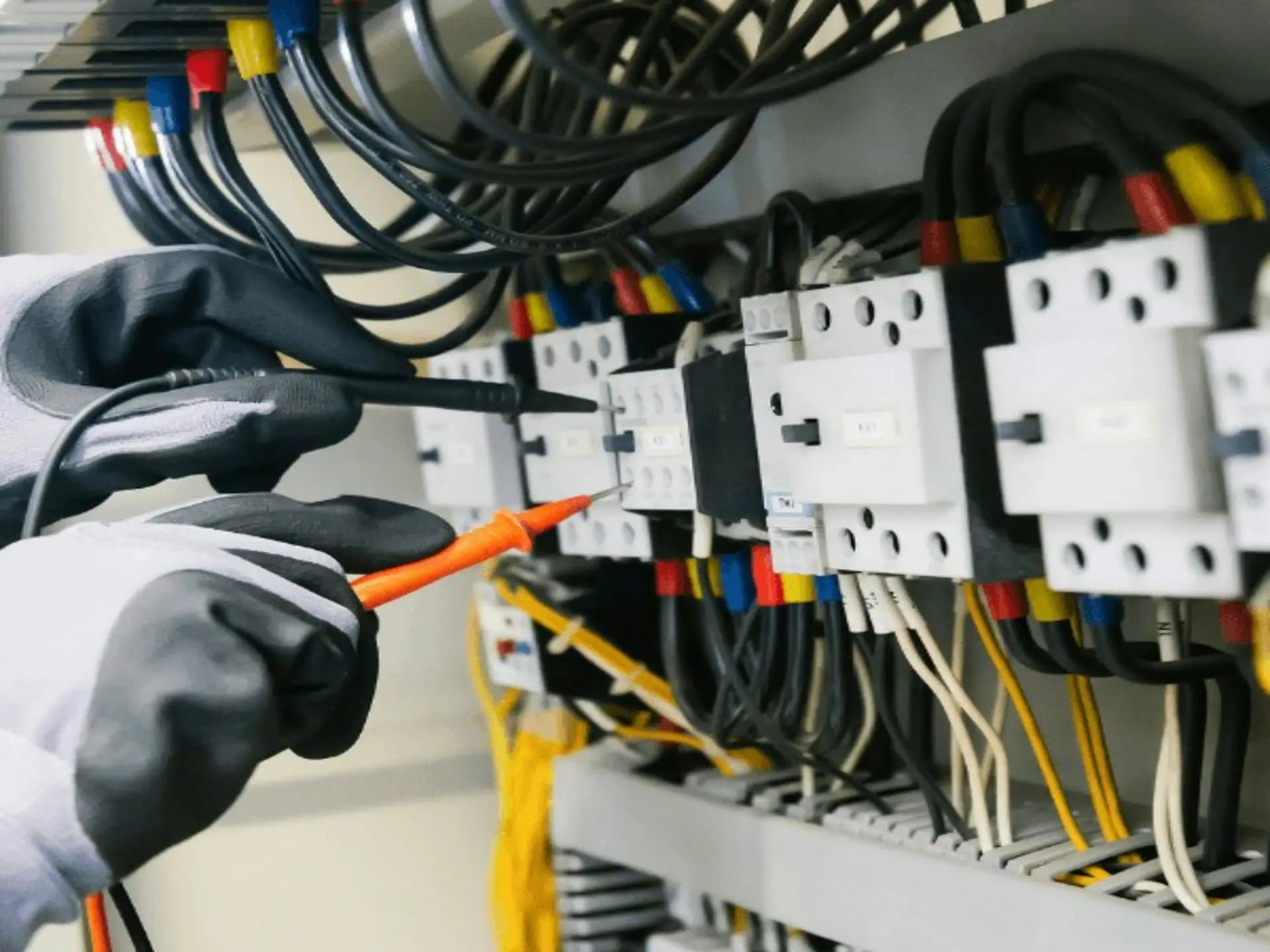
Electrician or maintenance technician
- What you usually already have
- Hands-on experience with wiring, control panels, motors and fault finding, and an understanding of electrical safety on site.
- What to add
- PLC programming in Siemens TIA Portal, reading ladder logic and control drawings, and the basics of SCADA screens. The Professional Module covers these.
- Typical first roles
- Controls or PLC technician, panel and commissioning technician, or a maintenance role with PLC responsibilities.
 Route 2
Engineering graduate
- What you usually already have
- A degree in an engineering or technical subject, and often some project work. Little or no industrial experience.
- What to add
- Practical PLC and HMI skills you can demonstrate, a basic understanding of industrial networks and instrumentation, and a small portfolio of simulated projects.
- Typical first roles
- Trainee PLC programmer, graduate controls engineer, or junior automation engineer.
 Route 3
Career changer from another field
- What you usually already have
- Experience in another sector, and skills that carry over, such as problem solving, reporting and working to deadlines.
- What to add
- A structured foundation in PLC programming and automation, and enough electrical and mechanical knowledge to talk about machines with confidence. The Basic Engineering modules cover these.
- Typical first roles
- Trainee or junior automation roles, and technician roles that can lead to programming work.
 Route 4
International graduate on a visa
- What you usually already have
- A degree from outside the UK, and sometimes work experience abroad. You may need a visa to work here.
- What to add
- Siemens skills you can show, a CV in the UK format, and a clear statement of your right to work. Not every employer sponsors visas, so check each job advert.
- Typical first roles
- Trainee or junior PLC programmer, or controls technician. Fewer employers sponsor visas, so check before you apply.
Pay and sponsorship
What this page does not show
This page does not show salaries, time to a job, or sponsorship outcomes for individual people. For pay, read the salary guide. For visas, read the visa guide and check each employer's sponsorship policy.
See what the course covers
A five-day live online class in Siemens TIA Portal (PLC, HMI and WinCC SCADA), followed by self-paced Basic Engineering modules, a one-to-one resume session and a CPD certificate.