
To become an instrument technician in the UK, most people take an engineering maintenance apprenticeship with a control and instrumentation option, or move across from an electrical or mechanical trade and add calibration, loop checking and hazardous-area skills. Pay varies with sector and shifts, so named adverts and official tables are a better guide than one average.
Checked 28 October 2026. Apprenticeship facts are from Skills England pages, pay from National Careers Service profiles, the ONS pay tables published 22 October 2026, one advert and one salary-site page, and the visa line from GOV.UK. Every figure carries its source and date below.
What does an instrument technician do?
An instrument technician, often called a control and instrumentation (C&I) technician, installs, calibrates, tests and repairs the field devices and control loops that measure and control a process: pressure, temperature, flow and level. Skills England describes the duties of the control and instrumentation option of its maintenance technician standard in these terms: position, assemble, install and dismantle plant and equipment "which may include instrumentation and control of temperature, pressure and flow systems", carry out planned, unplanned and preventative maintenance, diagnose the cause of faults, and "calibrate and configure instrument and control systems".
In day-to-day terms that is four jobs:
- Install. Fit transmitters, switches, valves and cable runs to a drawing.
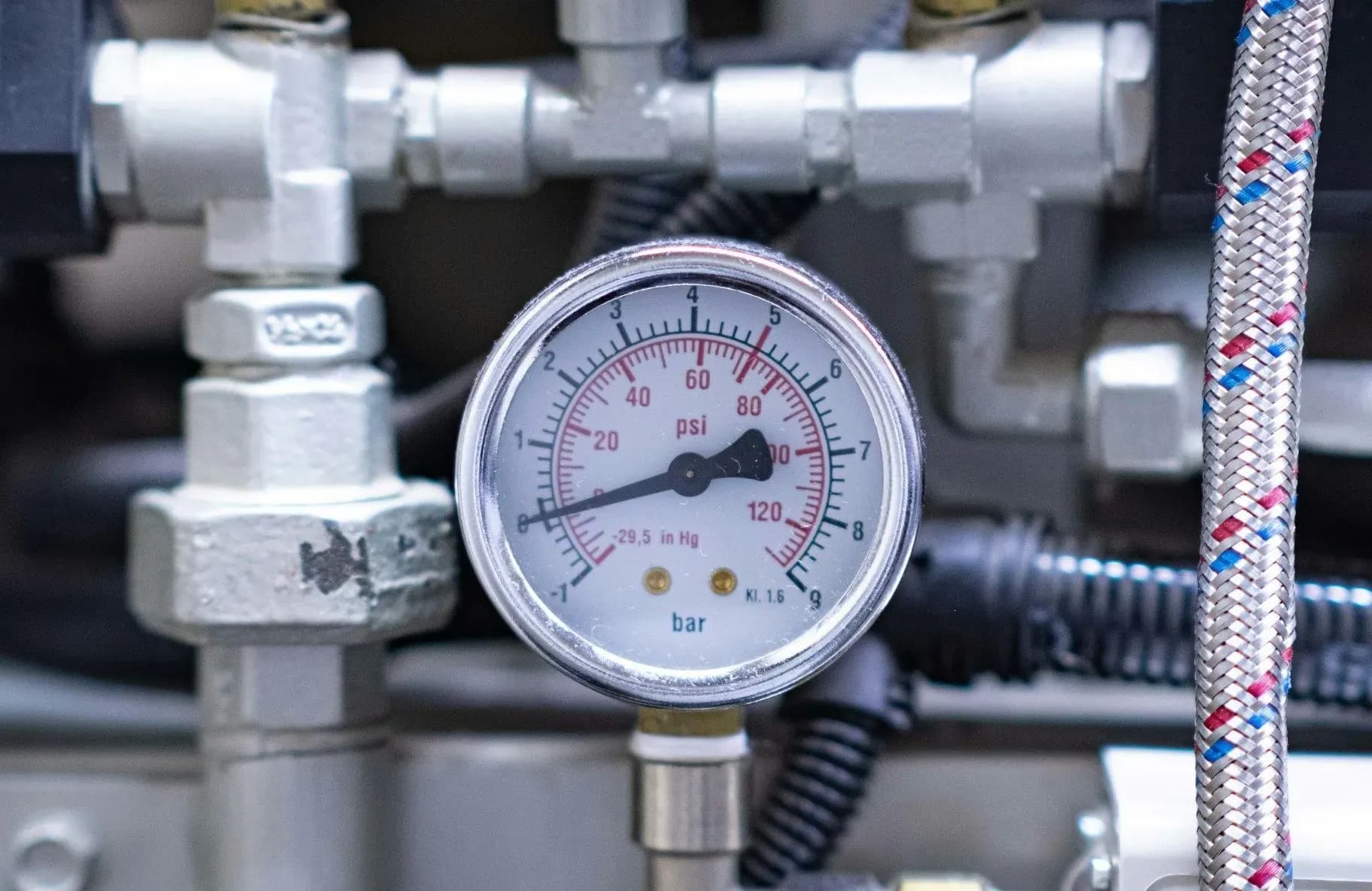
- Calibrate. Check an instrument against a reference and adjust it so the reading is right.
- Loop check. Confirm that a signal from the field device reaches the control system correctly and reads as expected.
- Fault find. Work out why a reading is wrong or a valve will not move, then fix it or report it.
Where do instrument technicians work?
C&I roles turn up wherever a process needs measuring: power stations, energy from waste, water treatment, chemicals, pharmaceuticals, food and drink, and offshore oil and gas. We could confirm only one of those from an advert we opened on 28 October 2026. Several other adverts we tried that day, including a Rochester gas power station role and an Oxfordshire energy-from-waste role, had closed or been removed by the time we opened them. That is itself useful: adverts move quickly, so treat any single advert as an example, not a market rate.
The one we could open was an E,C&I Technician post at an energy-from-waste site in Ellesmere Port, Cheshire, advertised by Alecto Recruitment on the Terra.do job board. It gave the salary as "45,000 + Benefits" and "around 45,000 including Shift Allowance". It asked, ideally, for a "recognised E,C&I apprenticeship or Electrical Engineering and/or Controls or Instrumentation qualification", and said "Engineers with a background in the Royal Navy will be considered." The page showed no exact date, only "More than 6 months ago", so it may be closed.
For a feel of the job from a working technician, this video covers getting a first instrumentation and electrical role. The presenter works in North America, so the tickets, pay and employers differ from the UK, but the day-to-day work is similar.
How do you become an instrument technician? The UK routes
| Route | What it is | Source and date |
|---|---|---|
| Apprenticeship | Engineering maintenance technician, single discipline (ST1426) with a control and instrumentation option, or dual discipline (ST1443) with an electrical and C&I option | Skills England pages, read 28 October 2026 |
| T Level | Maintenance engineering technologies: Control & Instrumentation, awarded by City & Guilds, available from 1 September 2022 | Skills England occupation page OCC0154A, updated 5 March 2026 |
| College then trainee | Courses such as electrical installation can help you find a trainee position | National Careers Service, electrical engineering technician profile |
| Moving across | Electricians, fitters and ex-forces engineers add instrument skills; an advert above says ex-Royal Navy engineers will be considered | Advert opened 28 October 2026 |
One correction that matters. Many sites still say the C&I apprenticeship is ST0154, the Level 3 Maintenance and operations engineering technician standard. Skills England's page for ST0154 (version 1.6, updated 5 March 2026) now says the Control and Instrumentation Technician option "was retired 31/12/2025" and has been replaced by ST1426 or ST1443. Both new standards are marked "in revision": version 1.0 can be started now, and a revised assessment plan replaces it for new starts on 13 April 2027. Entry requirements and funding are set per standard and per employer, and the ST1426 page we opened did not show them, so check with the training provider.
The National Careers Service gives general entry points for the nearest profile, electrical engineering technician: a Level 2 foundation apprenticeship needs no specific qualifications, and a Level 3 advanced apprenticeship usually needs "5 GCSEs at grades 9 to 4 (A* to C), or equivalent, including English and maths". Direct application is possible with relevant experience.
Which qualifications and tickets do employers ask for?
The Ellesmere Port advert asks for an E,C&I apprenticeship or an electrical, controls or instrumentation qualification. Beyond that, expect three recurring items, with the caveat that we could not open a current advert today to quote each one:
- An electrical or controls qualification. An apprenticeship, a City & Guilds or BTEC award, or an ONC or HNC. The National Careers Service lists a foundation degree or higher national diploma as a university route into the technician profiles.
- The IET Wiring Regulations, 18th Edition (BS 7671). Often listed as required or preferred where the role touches electrical installation.
- CompEx. The competence scheme for electrical equipment in explosive atmospheres, commonly requested for offshore and chemical roles.
The legal background to the third item is the Dangerous Substances and Explosive Atmospheres Regulations. The HSE's DSEAR page says employers must find out what dangerous substances are in their workplace, assess the risks, remove or control them, and locate areas where explosive atmospheres could form and keep ignition sources away from those zones. That is why hazardous-area competence is a separate ticket and not part of a general electrical qualification.
How much does an instrument technician earn in the UK?
There is no single figure. These are the sources we could open, each with its date and sample. Read them as a spread, not a promise.
| Source (read 28 October 2026) | Figure | What it covers |
|---|---|---|
| Alecto Recruitment advert, Ellesmere Port energy from waste | About £45,000 including shift allowance, plus benefits | One advert, age unclear ("more than 6 months ago") |
| National Careers Service, electronics engineering technician | £26,000 starter to £42,000 experienced, 41 to 43 hours a week | Nearest profile; not an instrument technician profile |
| National Careers Service, electrical engineering technician | £24,000 starter to £48,000 experienced, 40 to 42 hours a week | Nearest profile; "on call as customers demand" |
| ONS ASHE 2026 provisional, published 22 October 2026: 5224 Precision instrument makers and repairers | Median £39,893, full-time, annual gross pay | About 10 thousand jobs, a small sample; UK careers sites list "instrument technician" under this code |
| Same ONS table: 3113 Engineering technicians | Median £45,867 | About 73 thousand jobs |
| Same ONS table: 3112 Electrical and electronics technicians | Median £37,625 | About 14 thousand jobs |
| Payscale, "Instrument Technician" page (flagged sample) | Average £36,707 from 44 salary profiles | The page's own date reads "last updated Oct 19 2023" despite a 2026 headline, so treat as old |
The spread has plain causes. A power-station advert includes shift allowance and bonus. The ONS code a given job falls under depends on its duties, not its title, and we did not check the ONS reliability tables for these small groups. A self-reported sample such as Payscale's is small and dated. If you are comparing offers, ask what the figure includes: shift allowance, call-out, overtime, bonus and pension.

Large process plants such as this refinery (photographed in Poland, not the UK) are the setting for the offshore and chemical roles that ask for hazardous-area tickets.
Moving up: senior C&I, PLC and DCS, commissioning
With experience, technicians often move towards senior C&I work, commissioning, or programming the control systems their instruments feed. The ST0154 page says that standard was designed to meet the Engineering Council's professional standards for registration as an Engineering Technician (Eng Tech) through an appropriate professional engineering institution, which gives one recognised step. Control programming is a different job with different pay: ITJobsWatch's PLC engineer page, for the six months to 28 October 2026, shows a median of £60,000 across 147 permanent adverts, but that is advertised pay on an IT-focused board for a different role, so it is not an instrument technician figure. Our water industry automation career guide shows one sector where the two skill sets meet.
Do instrument technicians qualify for a UK visa?
Not on this evidence. The GOV.UK "Skilled Worker visa: temporary shortage list" page, published 22 July 2025 with no later date shown when we opened it on 28 October 2026, does not list occupation code 5224 (Precision instrument makers and repairers). It does list 3112 Electrical and electronics technicians and 3113 Engineering technicians. GOV.UK points people to its CASCOT tool to find the right code, because the code follows the duties of the job. This is not immigration advice: an employer or an adviser regulated for immigration work must confirm the code and the salary rules for a specific job.
Start free
You can test whether this work suits you before committing to a route. Work through the free instrument calibration, loop checks and commissioning course and the free industrial instrumentation course, then try days 1 to 5 of the Instrumentation Engineer job simulation. A job simulation is practice, not employment, and nothing here promises an interview or a job. When you are ready to look at real vacancies, browse the instrumentation jobs on our board or the instrument technician role page.