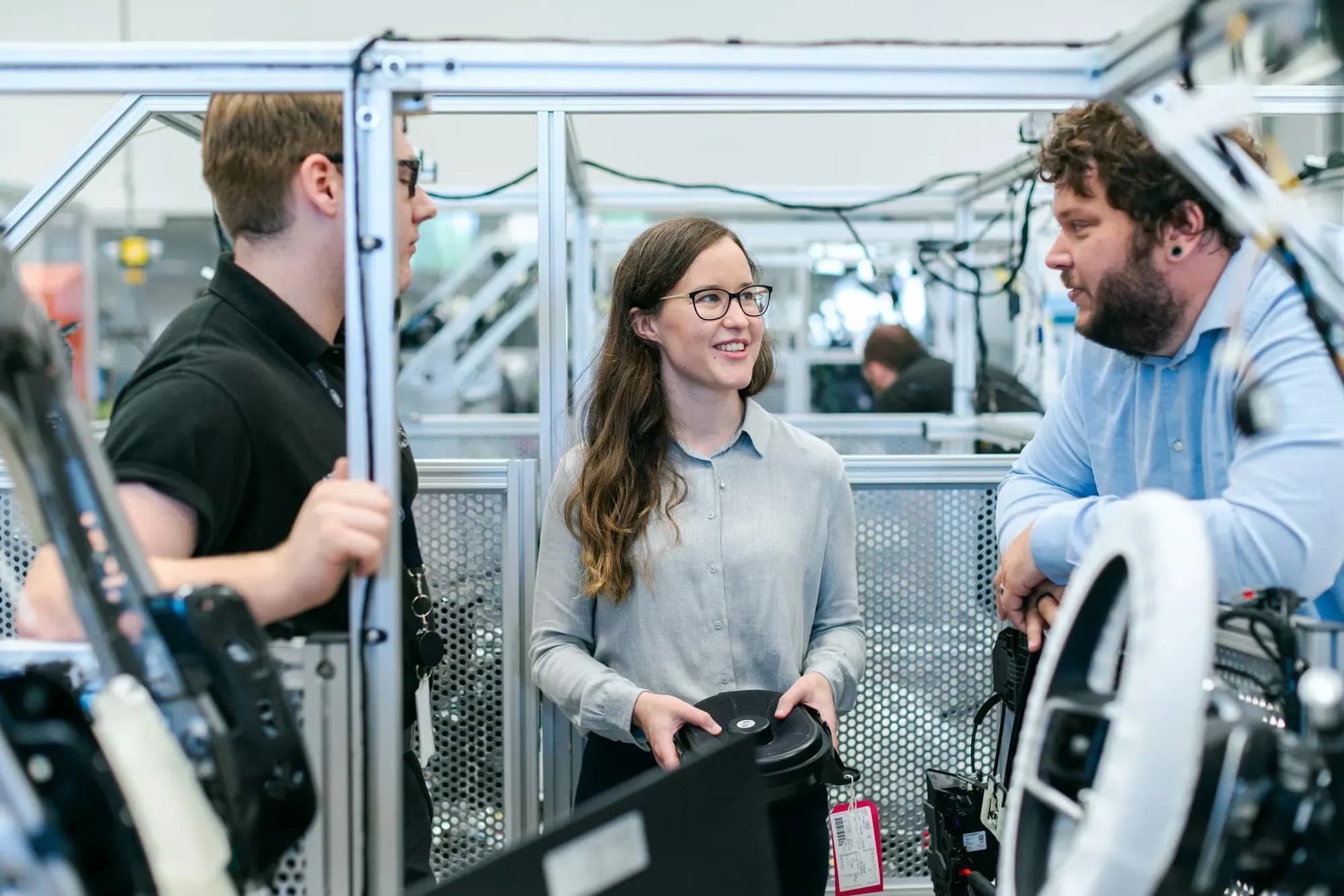


If you want an online PLC course with an instructor, the EDWartens UK Professional Module is five live days on Microsoft Teams, in cohorts of up to 10 learners, so everyone can ask questions and get feedback on their own work. EDWartens UK is the UK platform for engineers, run by Wartens Ltd (Companies House 15262249) in Milton Keynes: train, practise in the Lab, prove your skills, get hired.
How does an online PLC course with an instructor run?
The aim is practical competence rather than theory for its own sake. Classes focus on the situations a new engineer meets: reading a project, finding a fault, testing a program and documenting it. Each cohort starts on a Monday and has a maximum of 10 learners.
- Live and online. Classes run on Microsoft Teams, so you can join from anywhere in the UK or abroad.
- Days 1 and 2: the TIA Portal environment, S7 PLC hardware, ladder logic, simulation and testing.
- Day 3: HMI projects, screens, navigation and PLC to HMI integration.
- Days 4 and 5: WinCC SCADA, covering tags, graphics, animation, alarms and events, trending and historical data, and a project review.
We do not publish instructor biographies on this page. If you want to know who will teach your cohort, ask the team through the contact page.
Is the training done on real PLC hardware?
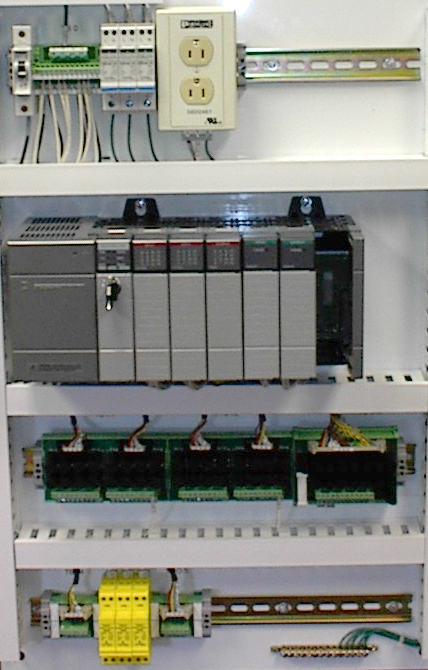
No. Practice uses simulation: Siemens PLCSIM and Factory I/O, plus the free browser labs in the EDWartens Lab. The live days use Siemens TIA Portal, not Allen-Bradley (the self-paced Allen-Bradley Module covers Rockwell), and the class is not run on a physical rig. That keeps the price lower and lets you repeat exercises at home, but you will not touch real hardware during the class. If hands-on rig time matters most to you, compare other providers first.
What happens outside the live days?
After or alongside the class you work through self-paced Basic Engineering video modules covering electrical, mechanical, instrumentation and sensors, pneumatics and hydraulics, control systems, robotics, industrial communication, maintenance and reliability, and safety and standards. There is an AI tutor in every lesson, and you can ask a trainer questions from any module. Seven job simulators are included with the course, so you can practise a workplace task such as the PLC programmer simulation or the SCADA and HMI engineer simulation. A simulation is practice, not employment.
What do you need to earn the certificate?
The certificate is issued automatically when you pass the 30-mark final theory assessment (21 marks to pass); no practical project is needed. The Professional Module comes with a CPD certificate recording 80 hours of learning; a CPD certificate is not a regulated qualification such as City & Guilds or an HNC. You can verify certificates at /verify.
What career support comes with it?
The Job-ready programme has 13 short modules on the UK job market, your CV, applications and interviews. You also get weekly job links, the job board with alerts and an application tracker, seven role-specific CV templates, and career sessions with our engineers: 3 one-to-one profile sessions (resume, LinkedIn and job profile) and 5 interview-preparation sessions, with further sessions at £49 each. There is no job guarantee. See PLC training with job support for what that phrase should and should not mean.
Who does the class suit?
It suits electricians, maintenance technicians, graduates and career changers who want a structured route into PLC and SCADA work. It is less suitable if you need Allen-Bradley or Mitsubishi training on the live days, a regulated qualification, or hands-on time with physical hardware. Being clear about this up front helps you choose well. For the live-versus-self-paced choice, read online PLC training: live vs self-paced.
How big is the commitment?
There are five fixed live days, then self-paced study you can fit around work. The Basic Engineering modules are videos you can pause and revisit, and the AI tutor and trainer questions help when you are stuck. You need a laptop able to run TIA Portal and PLCSIM and a stable connection for the live days, with the install guide from the Getting Started material completed beforehand.
How does the live class compare with the self-paced Siemens Module?
The self-paced Siemens Module has no live classes. It is online with 12 months' access, goes wider (13 modules including networks, drives, safety, fault-finding and commissioning), has four graded projects and four job simulators, and costs £780 including VAT, paid in full. It is independent of Siemens AG, is not an official Siemens course and is not CPD accredited. The live Professional Module costs more and adds an instructor, a fixed cohort of up to 10 and the CPD certificate. Some people take both. The right choice depends on whether you learn best with a live group.
Start free
Test the subject at no cost first. The free Siemens TIA Portal course and the free PLC courses are open to anyone, and the first week of a job simulation is free. You can also look at the UK jobs page to see what roles ask for, and read the about page for who runs the company. If the live class fits, the Professional Module costs £2,140 + VAT (£2,568), with a £100 deposit option; see the course page.