
Data centre engineer jobs in the UK cover two different roles under one name: IT operations, and the facilities side that keeps power and cooling running. This guide is about the facilities side, where electrical, mechanical and controls people come in. Advertised pay medians are high but come from a small sample of adverts, which we explain below.
Checked 28 October 2026. ITJobsWatch figures were read that day. GOV.UK pages were opened that day. The Skills England standard was checked the same day. ITJobsWatch counts adverts, not earnings, so we keep it separate from official earnings statistics.
What does a data centre engineer do?
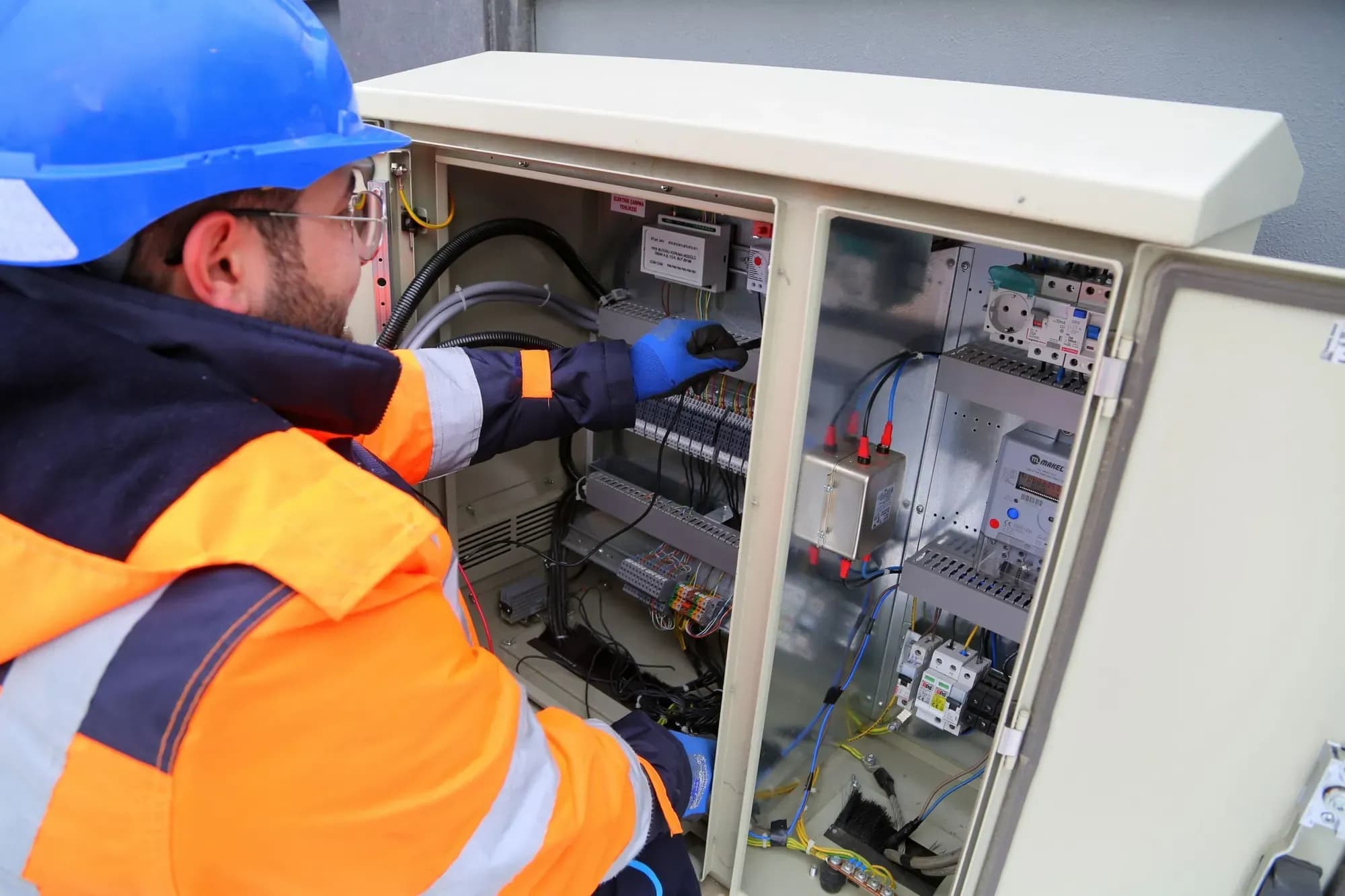
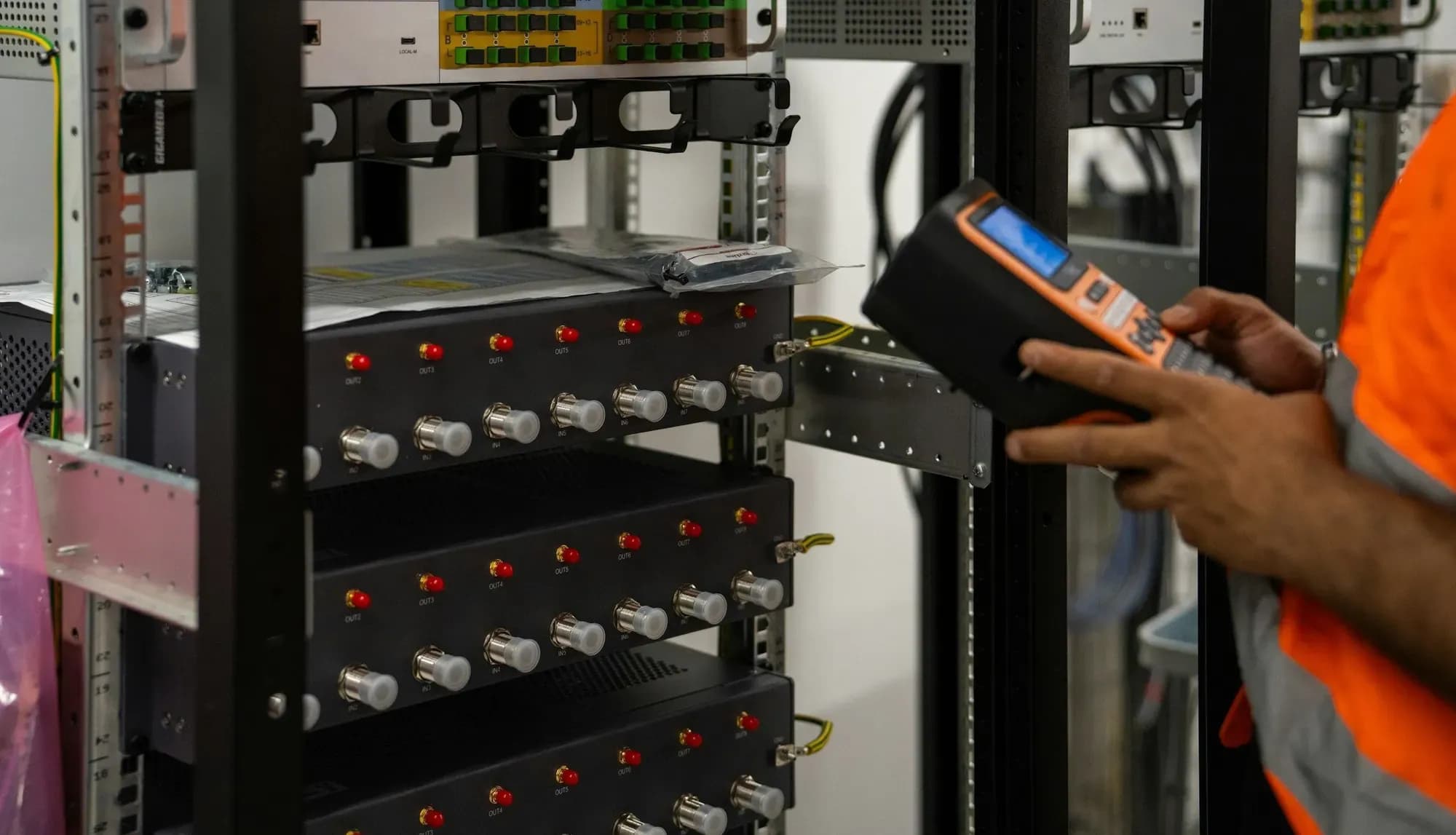
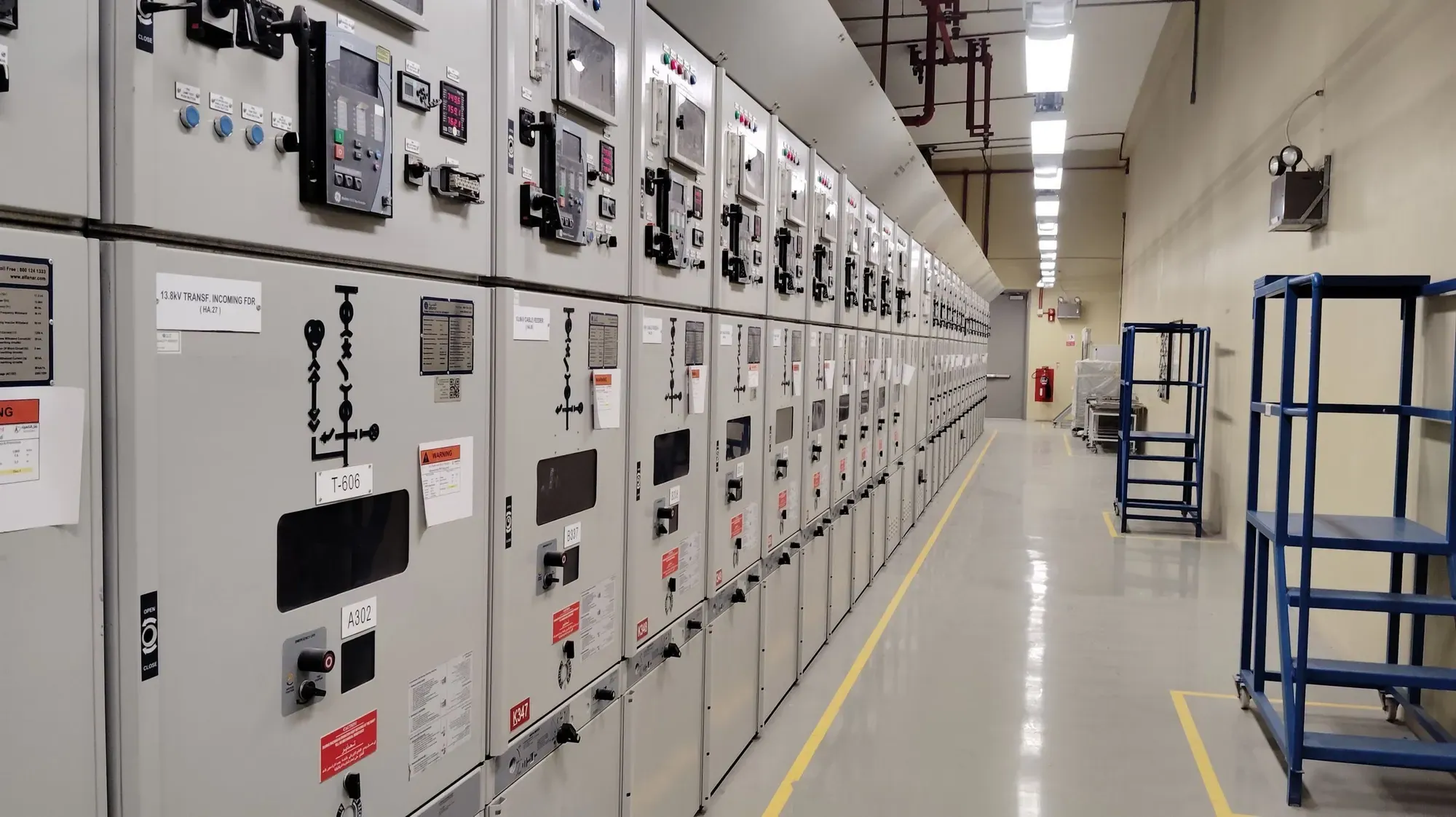
A data centre is a building that houses servers and the systems that keep them running. The facilities engineer looks after those systems: high-voltage and low-voltage electrical distribution, UPS (uninterruptible power supply) units and batteries, standby generators, chillers and air handling, and the building management system (BMS). The aim is to keep the servers on and cool, whatever happens outside.
Typical work is preventative maintenance, fault response, witnessing tests, handling permits to work and recording everything. It is closer to a plant maintenance role than to IT help-desk work. That is why people with a maintenance, electrical or controls background are a natural fit, although employers decide who they hire.
In plain terms, a week might include these tasks. This is our summary of the work, not a count from adverts, and sites differ:
- Planned maintenance on UPS units, standby generators, chillers and switchgear, following each maker's schedule and the site's permits.
- Alarm response. Working out from the BMS or DCIM screen whether an alarm is a faulty sensor, a plant fault or a real event, and who needs to know.
- Supporting tests. Helping with generator runs or failover tests under a method statement, with the people who are authorised to lead them.
- Planning shutdowns. Agreeing isolations so a piece of plant can be worked on while the servers stay powered and cooled.
- Records and handover. Logs, shift reports and clear notes for the next team, because the site never closes.

Why is UK demand rising?
Two public statements are worth knowing, both read on 28 October 2026.
The GOV.UK news release "Data centres to be given massive boost and protections from cyber criminals and IT blackouts", dated 12 September 2024, says the government has classed UK data centres as critical national infrastructure, "the first Critical National Infrastructure (CNI) designation in almost a decade", putting them on a par with sectors such as water and energy.
The GOV.UK page on AI Growth Zones (published 30 April 2025, last updated 13 June 2025) says they "will unlock investment in AI-enabled data centres and support infrastructure". The page gives no megawatt, investment or jobs figures, so we give none either. Whether and where any site is built is a separate matter.
Neither page says anything about how many engineers will be hired, so treat "rising demand" as a direction, not a promise.
What does a data centre engineer earn?
There are two kinds of number, and they should not be mixed.
Advert figures: ITJobsWatch. ITJobsWatch is a job-advert analytics site. For permanent "Data Centre Engineer" adverts in the six months to 28 October 2026 it shows:
| Measure | 6 months to 28 Oct 2026 | Same period 2025 | Same period 2024 |
|---|---|---|---|
| Permanent adverts | 150 | 35 | 84 |
| Salaries quoted | 81 | 20 | 60 |
| Median salary | £60,000 | £46,250 | £47,500 |
| 10th percentile | £40,000 | £38,564 | £28,000 |
| 90th percentile | £100,000 | £65,000 | £56,150 |
London had 72 adverts at a median of £61,250, and the UK excluding London median was £60,000. The skills most often listed alongside the title include degree (26.7% of adverts), AWS (26.0%), SLA (23.3%), preventative maintenance (21.3%) and root cause analysis (16.7%).
What this does and does not show: ITJobsWatch counts only adverts in its IT-job-title sample, so the electrical and mechanical facilities roles advertised under other titles are probably under-represented, and the 81 salaries quoted are a small sample. It also reflects the adverts' quoted salaries, not what people are paid. The comparison with all permanent IT roles (median £59,623 in the same period) shows the median is not unusual for IT adverts.
Earnings statistics: ONS. The ONS Annual Survey of Hours and Earnings 2026 provisional, Table 14.7a, gives full-time medians of £40,717 for electricians and electrical fitters (SOC 5241) and £41,942 for metal working production and maintenance fitters (SOC 5223). These cover all sectors, not data centres, so they are a baseline for comparison, not a data centre pay figure.
We do not use Glassdoor or Payscale figures, because their samples and dates are not stated on the pages we could verify.
What are the entry routes?
There is no single route. These are common ones, and no route leads automatically to a job.
- Maintenance or electrical background. Electricians, multi-skilled maintenance engineers and building services technicians already know safe isolation, fault-finding and planned maintenance. The gap is usually critical power (UPS, generators, HV) and data centre procedures.
- Apprenticeship. The Skills England Information Communications Technician standard (ST0973), Level 3, lists "data centre support technician" among its typical job titles. We checked its page on 28 October 2026: version 1.2 is "approved for delivery" and available for starts until 27 January 2027, and a revised standard is approved and set to replace it for new starts on 28 January 2027. It is an IT-leaning standard, so check with a training provider what a particular apprenticeship includes.
- Military. Some people move from armed forces technical trades. Employers set their own rules on recognising that experience.
- Degree or HNC/HND in electrical, mechanical or building services engineering, which some adverts list.
For the controls side, our guide to building management systems explains what a BMS does and why facilities engineers work with one.
What skills and tickets do employers list?
The skills that matter for facilities work are electrical qualifications (for example City & Guilds, and the 18th Edition, BS 7671), safe isolation and permit-to-work experience, high-voltage awareness, BMS and DCIM (data centre infrastructure management) systems, working at height, and fault-finding on UPS, generator and cooling plant. That list is our summary of the work, not a count from adverts: read each advert for its own requirements. ITJobsWatch's co-occurring skills for this title include preventative maintenance, root cause analysis, SLA and incident management (City & Guilds appears in 5.3% of adverts), which points to an operational mindset.
Safety note: work on UPS batteries, switchgear and high-voltage equipment is for trained, authorised people under permits and site procedures. Nothing here is a substitute for that training, and reading a guide does not make you competent.
Where are the jobs?
ITJobsWatch's location table for the six months to 28 October 2026 shows 72 adverts in London, 33 in the South East, 27 flagged as work from home, 14 in the South West and 14 in the East of England, with smaller counts elsewhere. These are advert counts in its sample, not a map of every data centre. Well-known clusters, such as Slough, Docklands, Hampshire, Manchester and South Wales, are where many facilities are found, but we have not quantified that from a source. Browse power and energy jobs to see current adverts.
Shifts and on-call
Critical sites run 24 hours a day, so shift work is common, though the pattern varies and some roles are day-based with on-call cover. 4-on-4-off 12-hour patterns are widely used in engineering, and some data centre roles use rotas and on-call cover. Ask in each case. The rules on night work, weekly hours and rest are on GOV.UK. This is not legal advice: check your contract and Acas.
How should you read the numbers, and what should you ask an employer?
Treat the ITJobsWatch rise from 35 to 150 adverts as a sign that more adverts appeared under this title this year, not as proof of a fixed number of jobs. The percentiles tell you more than the median: a 10th percentile of £40,000 and a 90th of £100,000 means advertised pay varies widely. A single operator or agency posting many adverts can also move a small sample.
Questions worth asking any employer:
- Is the role facilities (power, cooling, controls) or IT operations, and what is the split?
- What training and authorisations are provided, for example for high-voltage or battery work?
- What is the shift or on-call pattern, and how is call-out paid?
- Which systems are on site: UPS type, generators, chillers, BMS and DCIM?
- How are permits, isolations and handovers managed?
Learn from a day in the job
Google Cloud's "A Day in the Life at Google: Data Center Operations Facility Technician" (uploaded 22 October 2024) is a short look inside a data centre from the technician's side. It is a single US employer's site, so UK roles and titles will differ.
Start free
EDWartens does not place people in data centres or any other jobs. It offers practice. Start with the free data centre electrical and critical power course, then the free data centre cooling, BMS and DCIM course and the free data centre MEP testing and commissioning course. Then try the data centre engineer job simulation, which is practice, not employment. For official background, see the GOV.UK data centre critical national infrastructure announcement.