
Learning path · 4 courses
Electrical and mechanical fundamentals
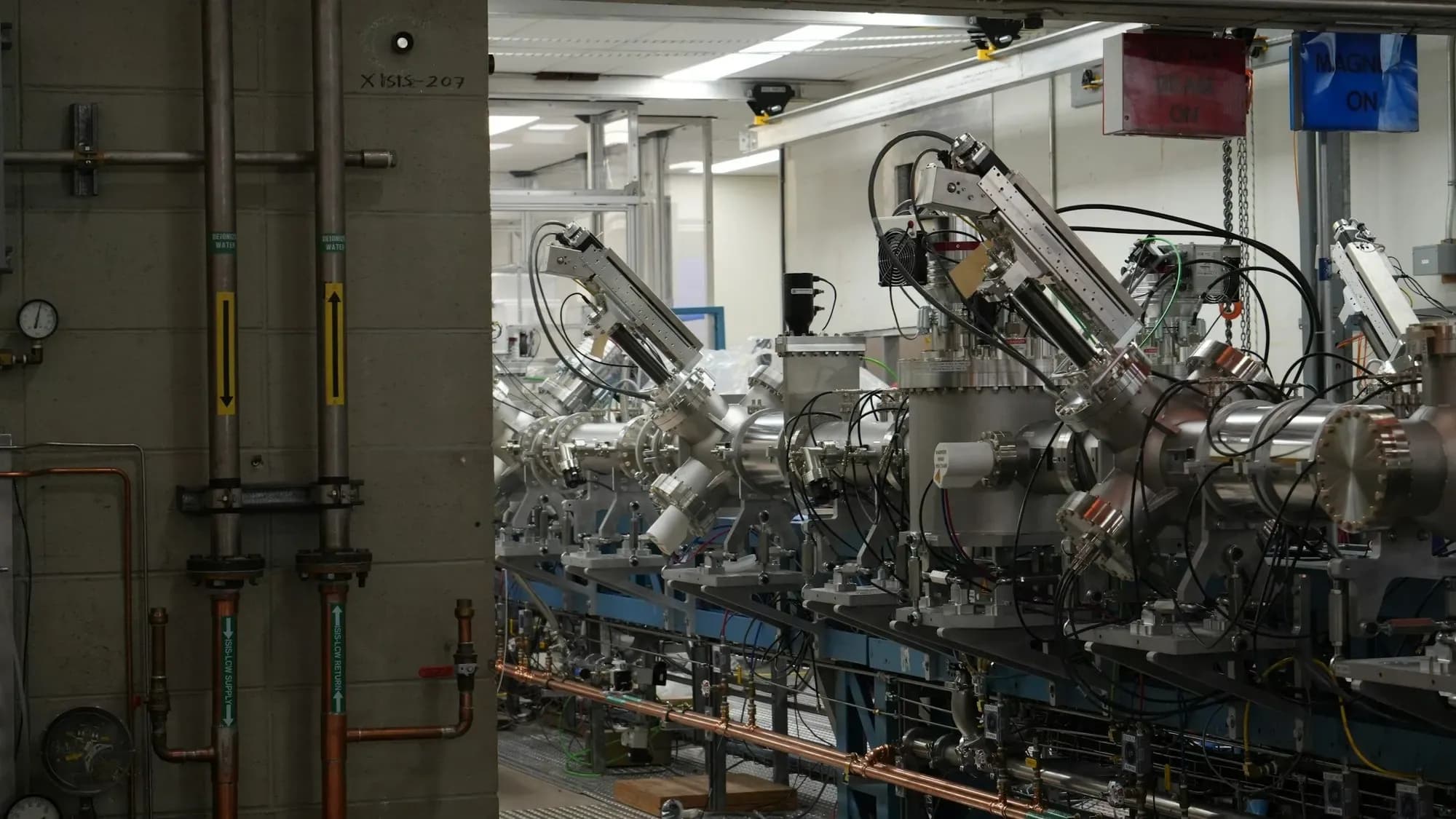
Before the PLC: the electrical basics a technician works by, motor control with contactors and starters, pneumatics and hydraulics, and the control panel that holds it all. The base every automation engineer stands on.
In order
The courses
Take them in this order. Each one is free and stands on its own.
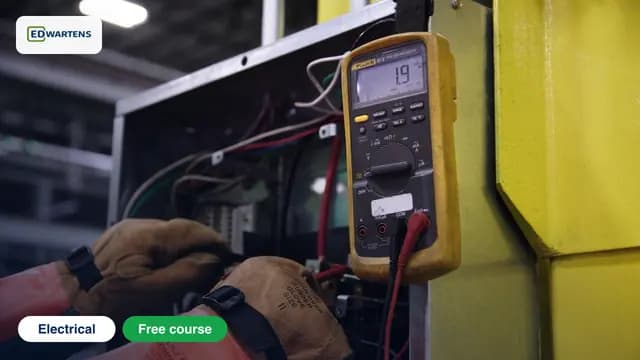
- Electrical Fundamentals for Technicians: Volts to Multimeter to DrawingsElectrical · Beginner · 14 hoursStart free
- Industrial Motor ControlElectrical · Beginner · 25 hoursStart free
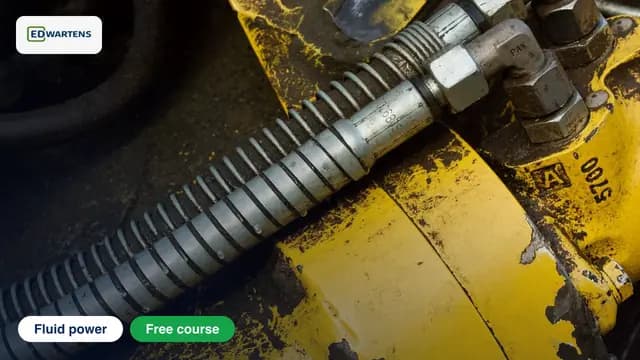
- Industrial Pneumatics and HydraulicsFluid power · Beginner · 35 hoursStart free
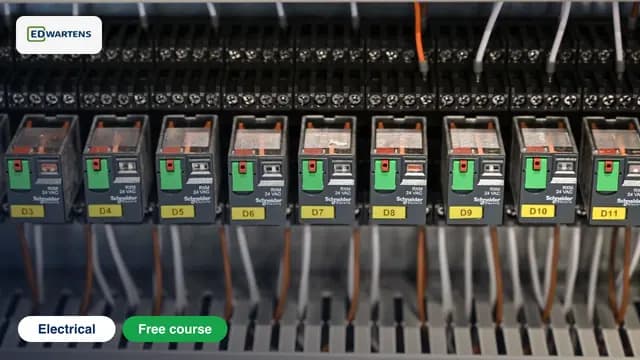
- Electrical Control Panel Design, Building and TestingElectrical · Beginner · 9 hoursStart free
Practise as you learn
Watching is a start. Do it in the Lab, free.
The EDWartens Lab runs in your browser, with nothing to install. It is a practice environment, not the vendors' own software.
- Wire terminals to a schedule, then check your work
- Isolate, lock and tag, then prove dead: live, dead, live
- Pass the factory acceptance test (FAT)
Then
Practise the job and find one
- Control Panel Design Engineer job simulation
GA drawing, schematics, BOM, heat calculation and the routine test. Days 1 to 5 are free.
- Electrical design jobs in the UK
Live jobs, updated daily. Free to browse and apply.
- EDWartens Lab
Free browser simulators to practise what each course teaches.
Questions
Electrical and mechanical fundamentals: common questions
Is the Electrical and mechanical fundamentals path free?
Yes. All 4 courses are free: every lesson, quiz and final exam costs nothing. A verifiable certificate for a course is optional, at £19 including VAT once you pass its final exam. It is a certificate of completion, not a regulated qualification.
How long does it take?
About 83 hours of video across 4 courses, plus quizzes. At five hours a week that is roughly 17 weeks, and you can start or stop any course whenever you like.
Do I need hardware or paid software?
No PLC hardware is needed. Each course page lists the software it uses; most run in free or trial versions, and many have practice in the browser-based EDWartens Lab.
What can it lead to?
Practise the job itself with the free Control Panel Design Engineer job simulation (the first five days are free, no card), then browse live UK Electrical design jobs. Neither is a promise of a job.